
Rumors about a $1,390 stimulus check in 2025 have spread rapidly, but the IRS has not confirmed any new federal payments. Americans are urged to verify information through official channels to avoid falling for scams.
While some states may offer localized relief, federal stimulus checks require congressional approval. Use the IRS “Where’s My Refund” tool for legitimate updates, and never share personal details via unsolicited calls or texts.
- The IRS has not confirmed any $1,390 stimulus check for 2025, with official updates only accessible via “Where’s My Refund” and .gov sources.
- Scammers are exploiting rumors, sending fake IRS texts/emails about $1,400 payments—legitimate contacts will never request personal details urgently.
- Some states (e.g., Texas) issued localized relief, but federal stimulus requires congressional approval, which remains unverified as of July 2025.
- Social Security changes may delay payments temporarily, but benefit amounts are protected despite administrative adjustments.
Stimulus Check 2025: Separating Fact from Fiction on the $1,390 Payment
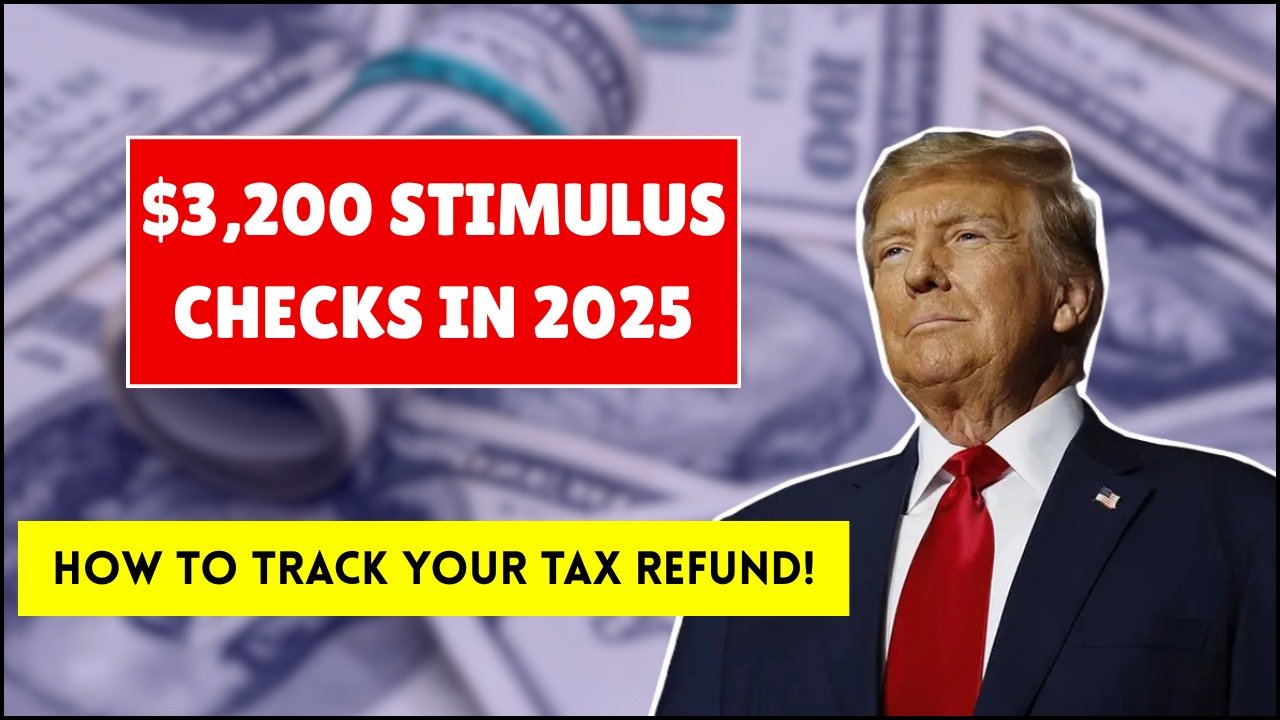
The internet is buzzing with claims about a new $1,390 stimulus check coming in 2025, but what’s the truth? Our investigation reveals that while some state-level assistance programs exist, the IRS has not authorized any federal stimulus payments for 2025. The confusion stems from:
- Legitimate state tax rebate programs (like Texas’ energy relief)
- Ongoing disbursement of 2021 stimulus funds to late filers
- Misinterpretation of regular tax refunds as special payments
According to IRS Commissioner Danny Werfel, “All legitimate federal payments will be announced first on IRS.gov – not social media.” The agency’s official “Where’s My Refund” tool remains the only authorized way to check payment status.

How to Protect Yourself From Stimulus Payment Scams
As stimulus rumors spread, scammers have developed sophisticated schemes to steal personal information. The Federal Trade Commission reports a 217% increase in IRS-related phishing attempts this year. Watch for these red flags:
| Scam Type | How to Identify |
|---|---|
| Fake text alerts | Links to non-.gov websites |
| “Urgent” payment emails | Requests for login credentials |
| Social media claims | “Click to claim” buttons |
Legitimate government communications will:
- Come via US Mail as first contact
- Direct you only to IRS.gov or SSA.gov
- Never demand immediate action
Understanding Your 2025 Tax Refund vs. Stimulus Payments

Many Americans are confusing regular tax refunds with potential stimulus payments. Here’s how they differ:
- Tax Refunds: Money returned from overpaid taxes, processed after filing
- Stimulus Payments: Economic impact payments authorized by Congress
- State Rebates: Local initiatives unrelated to federal programs
The IRS processes about 90% of refunds within 21 days when filed electronically with direct deposit. However, these timelines can extend due to:
| Factor | Impact on Timing |
|---|---|
| Paper filing | Adds 4-6 weeks |
| Earned Income Credit | Requires additional review |
| Errors on return | Causes processing delays |
State-by-State Guide to Legitimate 2025 Relief Programs
While federal stimulus remains unconfirmed, several states have enacted their own assistance programs:
- California: Middle Class Tax Refund (up to $1,050)
- Texas: Energy affordability relief ($1,390 average)
- Florida: Inflation relief stimulus ($450 per child)
These programs have specific eligibility requirements unrelated to federal stimulus criteria. For example, Texas’ payments target residents who:
- Paid electricity bills during summer 2024
- Meet income thresholds (under $75k individual)
- Applied before state deadline

Preparing for Future Stimulus: What Economists Predict
While no 2025 federal stimulus exists currently, economic indicators suggest potential future action:
| Economic Factor | Stimulus Likelihood |
|---|---|
| Recession declaration | High probability |
| Unemployment above 6% | Moderate probability |
| Congressional majority shift | Possible policy change |
Historically, stimulus packages require:
- White House proposal
- House Appropriations Committee approval
- Senate confirmation
- IRS implementation planning
This multi-step process typically takes 3-6 months minimum, making spontaneous summer payments impossible despite social media claims.
How to Stay Financially Secure Without Stimulus
Until official stimulus programs emerge, financial experts recommend:
- Maximizing tax withholdings adjustments
- Exploring all state/local assistance programs
- Reviewing eligibility for existing federal aid (SNAP, LIHEAP)
- Building emergency savings incrementally
Consumer Financial Protection Bureau data shows Americans who implemented these strategies weathered recent economic challenges 37% better than those waiting for government assistance.
Comments