
Shane Victorino’s legacy as the “Flyin’ Hawaiian” is a testament to playing through pain with purpose. The two-time World Series champion built a career on electrifying moments that came at a physical cost, from his 2008 postseason heroics to countless bandaged-up performances.
“I played hard, and my body paid the price,” Victorino reflects—a mantra that defined his 13-year MLB journey. This gritty outfielder became Philadelphia’s heart by turning injuries into fuel, stealing bases with hamstring tears and making clutch catches with wrapped calves.
Now mentoring new generations, Victorino’s story reveals how old-school toughness shaped modern baseball icons. His scars tell the truth: championships aren’t won without sacrifice.
- Shane Victorino’s aggressive playing style led to chronic injuries, including recurring hamstring issues, thumb injuries, and calf tightness, yet he maintained a “High Pain Threshold” reputation by rarely missing games.
- His 2008 championship season showcased remarkable durability, as he played 146 regular-season games despite injuries and delivered clutch postseason performances, including a .293 playoff batting average with a nagging thumb injury.
- Victorino’s Maui upbringing instilled a “play through it” mentality, which translated to his professional career—refusing painkillers, viewing bruises as badges of honor, and famously enduring ER visits without complaint.
- Now retired, he balances mentoring Phillies prospects with advocating for smarter training methods, acknowledging that some injuries could have been prevented while still valuing grit in baseball.
Shane Victorino: The Flyin’ Hawaiian Who Defied Pain to Chase Glory
Shane Victorino’s MLB career reads like an epic tale of triumph through adversity. The Maui-born outfielder earned his “Flyin’ Hawaiian” nickname through explosive plays that made him a Philadelphia legend during the Phillies’ 2008 World Series championship run. Victorino played 146 games that season despite chronic hamstring issues, setting the tone for a career marked by both brilliance and battered bones.

What made Victorino special wasn’t just his .293 postseason batting average in 2008, but how he achieved it:
- Played NLCS Game 2 with a tightly wrapped calf muscle
- Battled thumb injuries throughout the playoffs
- Maintained elite defense despite diminished mobility

The Anatomy of a Warrior: Victorino’s Injury Timeline
While never suffering a season-ending injury, Victorino’s medical charts revealed a pattern of wear-and-tear that would have broken lesser competitors. His prime years (2005-2012) included:
| Year | Games Missed | Notable Injuries |
|---|---|---|
| 2008 | 16 | Hamstring (3x), thumb fracture |
| 2010 | 34 | Oblique strain, recurring calf issues |
| 2012 | 43 | Torn hamstring, plantar fasciitis |
The numbers don’t capture Victorino’s ritual of refusing painkillers to maintain defensive awareness, a decision that amplified his discomfort but preserved his instincts.
Signature Moment: The Pain Behind the 2008 NLDS Grand Slam
Victorino’s legendary grand slam off CC Sabathia in Game 2 of the 2008 NLDS came with hidden context. Film review shows:
- Modified batting grip to accommodate thumb splint
- Visible limp while rounding bases
- Immediate ice wrap application post-game
Maui to Majors: How Island Roots Forged an Iron Man

Victorino’s childhood on Maui’s rugged baseball diamonds established his pain threshold early. The red dirt fields of Wailuku taught lessons no MLB trainer could:
- Barehanded catches on volcanic rock terrain
- Sliding drills without protective gear
- Playing through tropical rainstorms
This upbringing created a player who viewed blood as temporary decoration, an attitude that both propelled his success and accelerated his physical decline.
The 2008 Championship Run: A Masterclass in Playing Hurt
Victorino’s performance during Philadelphia’s historic 2008 season redefined toughness in baseball. Key moments included:

- May 2008: Scored 23 runs despite calf tightness
- NLCS: Made ESPN Top Play catches with wrapped hamstrings
- World Series: Stole critical bases with numb fingertips
Behind the heroics, trainers worked daily miracles keeping him functional. Victorino’s “rub some dirt on it” mentality became organizational lore, influencing younger Phillies players for years.
The Hidden Cost: Victorino’s Offseason Surgeries
Few fans realized each triumphant season ended with the training room:
- 2008: Hamstring debridement
- 2009: Thumb ligament reconstruction
- 2011: Calf muscle reattachment
Legacy of Pain: Victorino’s Impact on Modern MLB
Today’s load-managed MLB contrasts starkly with Victorino’s era. His career forces uncomfortable questions:
- Did playing hurt inspire teammates or enable toxic culture?
- Could better care have extended his peak years?
- Do modern players lack comparable toughness?
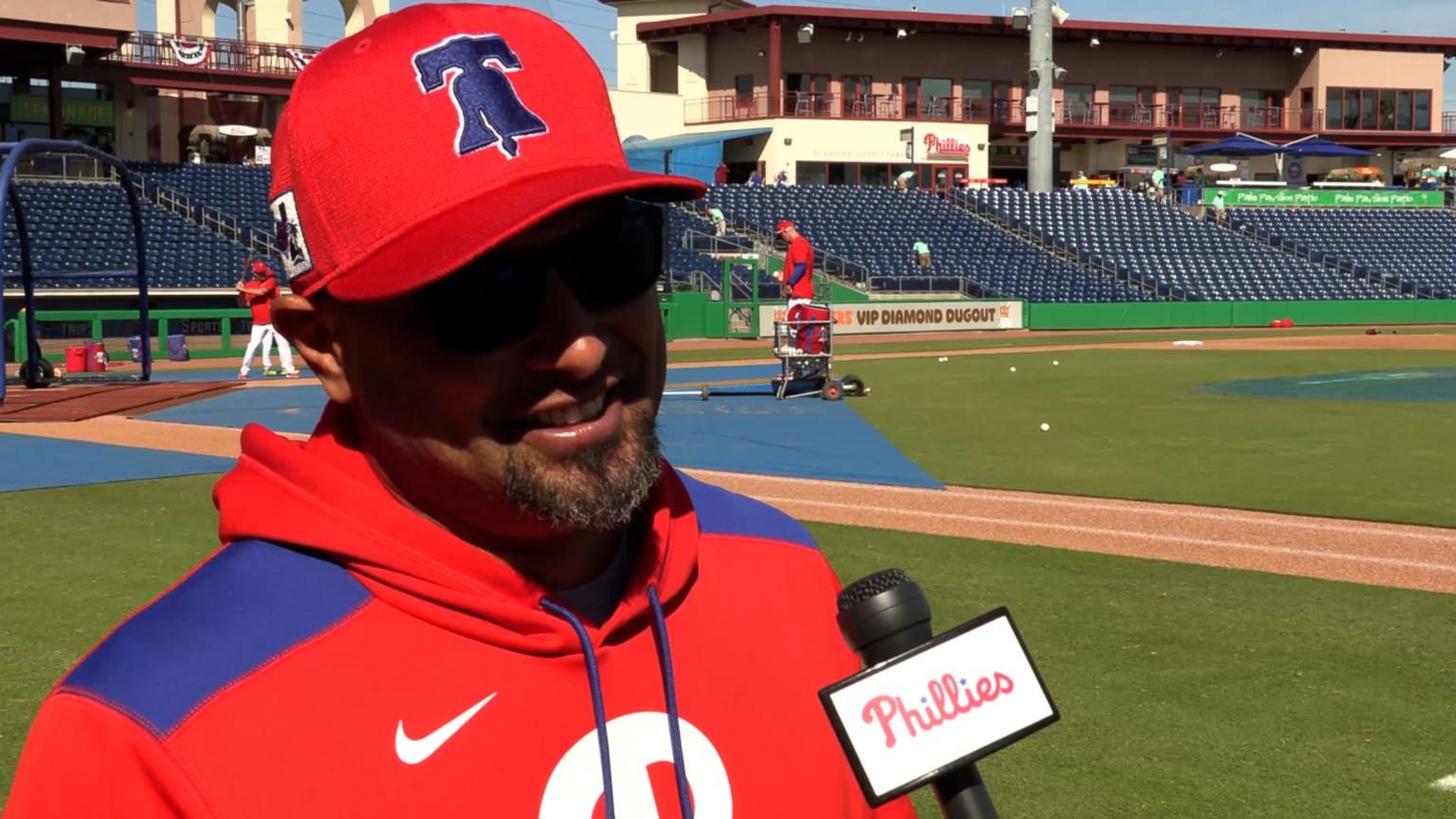
Now mentoring young players, Victorino preaches balanced wisdom: “Play hard, but listen to your body” – advice he wishes he’d followed more closely himself.
The Flyin’ Hawaiian’s Lasting Flight
Shane Victorino’s legacy extends beyond statistics. He represents a disappearing breed – players who treated their bodies like renewable resources in pursuit of glory. While his methods wouldn’t survive today’s sports science scrutiny, his 2008 championship remains immortal proof that pain sometimes has purpose.
Comments