
The Kansas City Royals have made a late push for postseason contention by acquiring left-handed pitcher Bailey Falter from the Pittsburgh Pirates. Falter’s cerebral approach and diverse pitch arsenal could provide much-needed stability to Kansas City’s rotation as they battle in the tight AL Central race.
With a solid 3.98 ERA in 2025, Falter represents a low-risk, high-reward addition for the Royals’ playoff aspirations. His ability to eat innings and veteran presence may prove invaluable down the stretch, though questions remain about his adaptation to American League hitters.
The affordable acquisition signals Kansas City’s commitment to strengthening their roster while maintaining future flexibility, with Falter under team control through 2027.
- The Kansas City Royals acquire left-handed pitcher Bailey Falter from the Pittsburgh Pirates to strengthen their rotation for a playoff push.
- Falter’s 2025 performance (3.98 ERA in 15 starts) and cost-controlled contract through 2027 make him a low-risk, high-reward addition.
- He will slot into the rotation as the fourth starter, providing stability and depth to an injury-plagued pitching staff.
- The trade reflects the Royals’ commitment to contending in the AL Central beyond just the 2025 season.
- Questions remain about Falter’s ability to perform under playoff race pressure and adapt to the AL Central competition.
Bailey Falter Joins Royals: Can the New Pitcher Boost Kansas City’s Playoff Hopes Amid AL Central Race?
Royals Acquire Bailey Falter to Strengthen Pitching Rotation
The Kansas City Royals made a strategic move at the trade deadline by acquiring left-handed pitcher Bailey Falter from the Pittsburgh Pirates. This transaction addresses Kansas City’s pressing need for consistent starting pitching as they chase their first postseason appearance in a decade. Falter, who posted a respectable 3.98 ERA in 15 starts for Pittsburgh this season, brings stability to a rotation that has been affected by injuries and inconsistency.
Falter’s cerebral approach to pitching contrasts with Kansas City’s power arms, providing valuable diversity in their starting staff. His deep repertoire featuring four-seam fastball, slider, curveball, and changeup makes him particularly effective against both right-handed and left-handed hitters. The 27-year-old southpaw excels at pitch sequencing and keeping hitters off balance, attributes that should play well at spacious Kauffman Stadium.

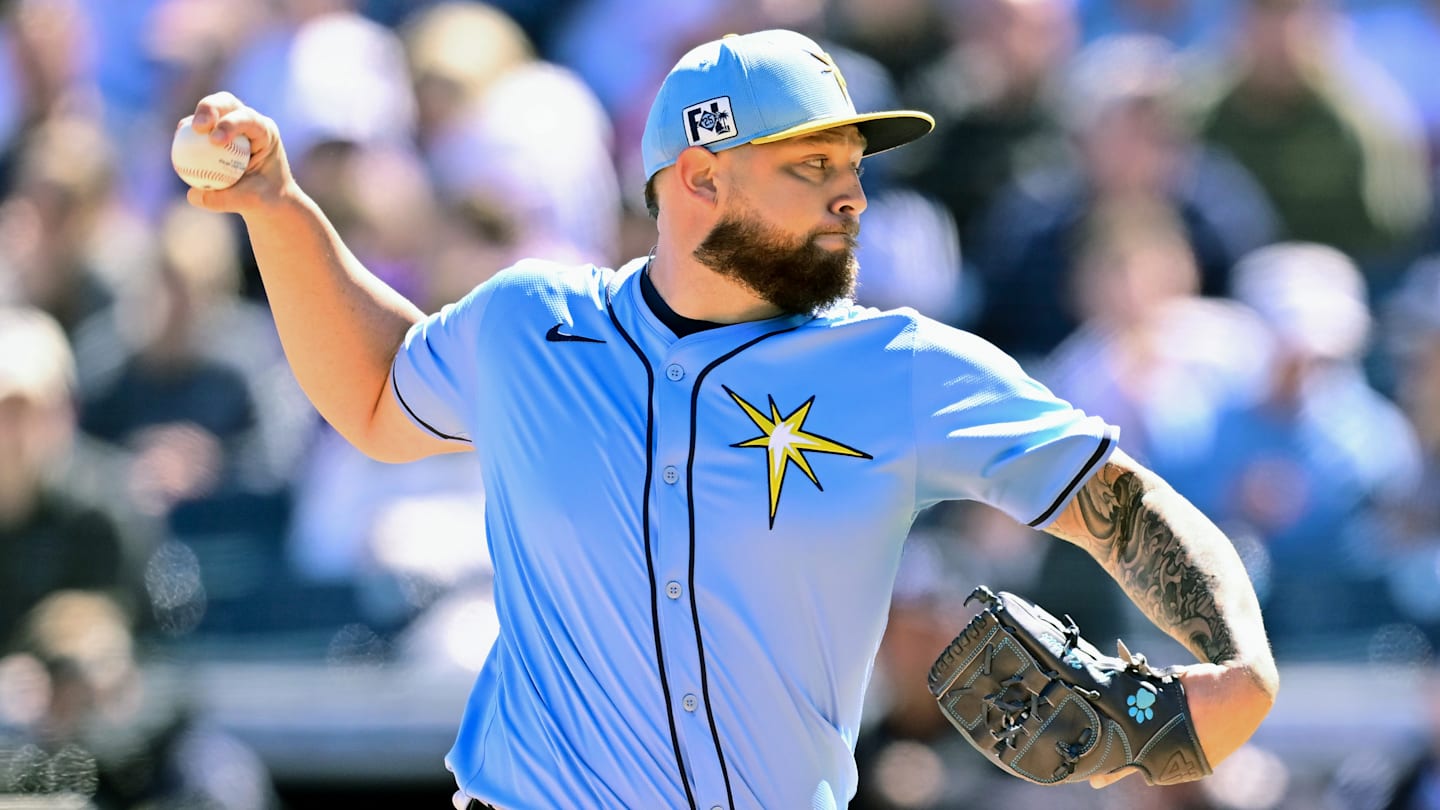
Analyzing Bailey Falter’s Contract Situation
One of the most appealing aspects of this trade for Kansas City is Falter’s contract status and team control. The left-hander remains under team control through the 2027 season, giving the Royals a cost-effective rotation option beyond just this season’s playoff push. His current $1.8 million salary is highly affordable for a starting pitcher with his credentials.
The financial details reveal why this acquisition makes sense for Kansas City:
| Year | Status | Salary |
|---|---|---|
| 2025 | Arbitration | $1.8M |
| 2026 | Arbitration | Est. $2.5M |
| 2027 | Arbitration | Est. $3.5M |
Potential Impact on Royals’ Playoff Chances
The addition of Bailey Falter could prove crucial for Kansas City’s postseason aspirations. Currently in the thick of both the AL Wild Card race and surprisingly within striking distance of the division-leading Guardians, the Royals needed rotation stability behind ace Cole Ragans. Falter’s ability to consistently deliver 5-6 innings should help preserve a bullpen that has been overworked in recent weeks.
Key factors suggesting Falter could thrive in Kansas City include:
- Kauffman Stadium’s spacious outfield suppresses home runs (23% below league average)
- Strong defensive infield with Bobby Witt Jr. and Maikel Garcia
- Improved pitch framing from catcher Salvador Perez
- Pitching coach Brian Sweeney’s track record with similar pitchers
AL Central Playoff Race Outlook
With Cleveland and Minnesota ahead of them in the standings, Kansas City faces an uphill battle. However, they’ll play both division rivals 12 more times combined, creating ample opportunity to make up ground. Falter’s scheduled starts against these clubs could prove pivotal in determining Kansas City’s playoff fate.
How Falter Fits Into the Royals Rotation
Manager Matt Quatraro has indicated Falter will slot into the rotation as the team’s #4 starter, providing depth behind Cole Ragans, Seth Lugo, and Brady Singer. This structure gives Kansas City rare balance with two lethal lefties (Ragans and Falter) bookending the rotation alongside three quality right-handers.
The projected rotation with Falter:
- Cole Ragans (L) – Staff ace with elite strikeout ability
- Seth Lugo (R) – Veteran control artist
- Brady Singer (R) – Groundball specialist
- Bailey Falter (L) – Crafty change-of-pace lefty
- Daniel Lynch (L) – Former top prospect looking to rebound

Falter’s presence also allows swingman Alec Marsh to return to the bullpen where his electrifying stuff plays up in shorter stints. This domino effect strengthens Kansas City’s entire pitching staff beyond just adding one solid starter.
Comparing Falter to Other Trade Deadline Acquisitions
While not the flashiest name moved at the deadline, Bailey Falter represents the type of under-radar acquisition that has historically paid dividends for contending teams. Unlike clubs that mortgaged their futures for frontline starters, Kansas City sacrificed minimal prospect capital while still addressing their primary need.
How Falter stacks up against other acquired starters:
| Pitcher | Team | Cost | ERA |
|---|---|---|---|
| Bailey Falter | Royals | Mid-level prospect | 3.98 |
| Jack Flaherty | Orioles | 3 prospects | 4.25 |
| Lance Lynn | Dodgers | 2 prospects | 6.32 |
While pitchers like Flaherty and Lynn garnered more attention, Falter’s acquisition cost and remaining team control make his upside considerably more attractive from a long-term perspective. Pittsburgh’s decision to move on quickly could prove to be Kansas City’s gain.
Conclusion: Evaluating the Falter Trade’s Potential Impact
The Royals’ acquisition of Bailey Falter might not make flashy headlines, but it exemplifies the type of shrewd, calculated move that strengthens a postseason contender without sacrificing future flexibility. His affordable contract, remaining team control, and skill set make him an ideal fit for Kansas City’s current needs and long-term plans.
Key takeaways from this trade:
- Provides immediate rotation stability without long-term financial risk
- Strengthens bullpen depth by allowing Alec Marsh to return to relief role
- Offers insurance against potential injuries to other starters
- Upgrades Kansas City’s postseason rotation options
- Maintains organizational prospect depth for future moves
Comments