
North Plainfield faces renewed flood threats as Hurricane Lee’s remnants approach, compounding devastation from this week’s deadly flash floods that claimed two lives. The National Weather Service recorded rainfall rates surpassing 2 inches per hour, overwhelming drainage systems and mirroring climate change-driven extreme weather patterns.
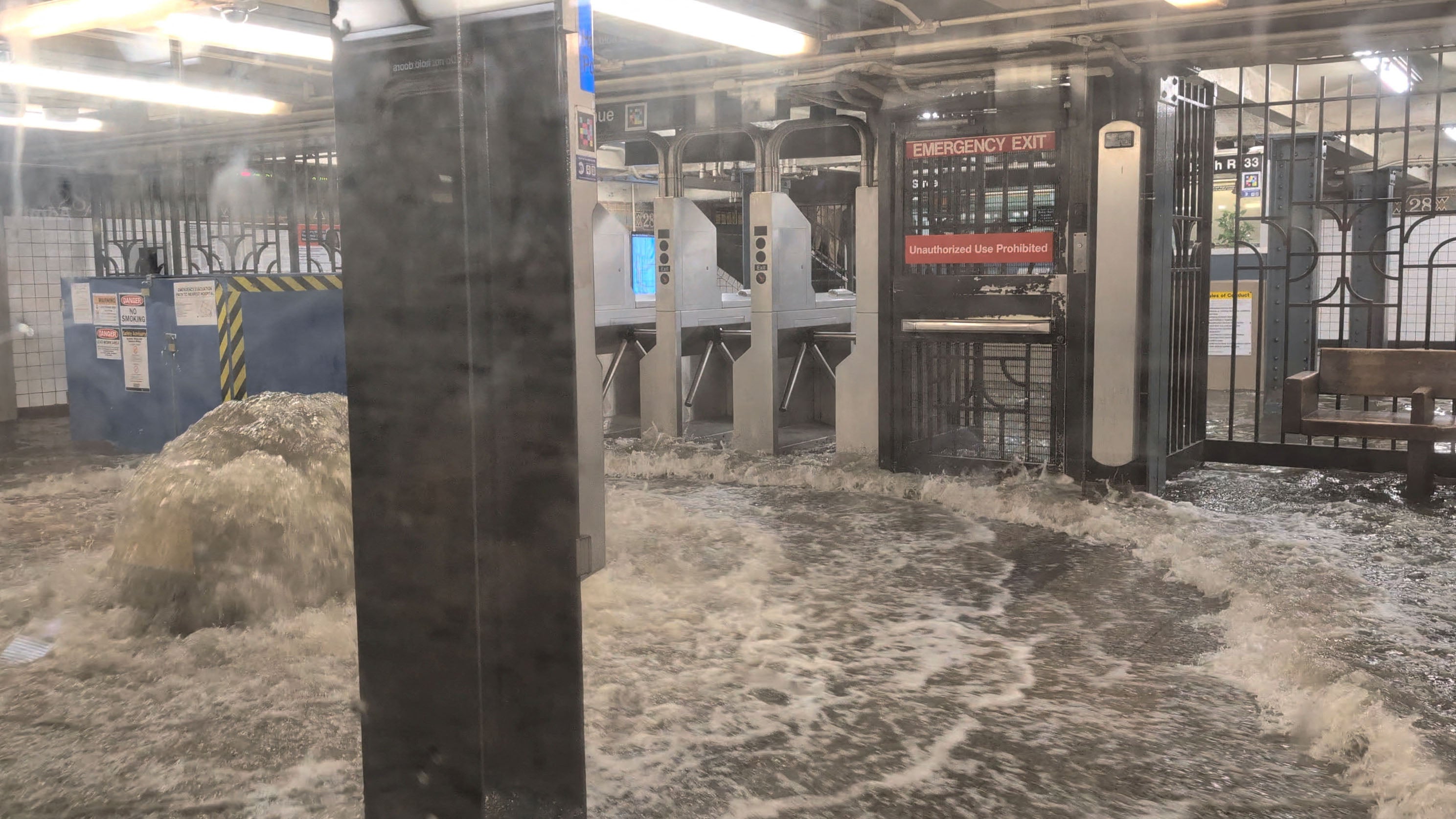
Meanwhile, shocking footage of NYC subway flooding reveals crumbling infrastructure ill-prepared for intensifying storms. With flood watches expanding across 11 New Jersey counties, experts warn saturated grounds elevate risks from incoming tropical systems, creating a cascading disaster scenario.
- North Plainfield faces ongoing flood threats as Hurricane Lee remnants may worsen conditions, with previous flash floods causing two fatalities and overwhelming drainage systems with 2+ inches/hour rainfall.
- NYC subway flooding reached critical levels, exposing aging infrastructure vulnerabilities as sewer systems failed at 17 locations, stranding 89,000+ commuters during rush hour.
- The Northeast sees 55% more extreme rain events since 2000, with climate change amplifying storm intensity—urban drainage systems remain dangerously outdated for current precipitation patterns.
- Emergency crews performed 87 water rescues across NJ, including 19 in North Plainfield, while flood watches expand to 11 counties ahead of potential tropical moisture from Hurricane Lee remnants.
North Plainfield Floods: Hurricane Lee Remnants Threaten More Damage as NYC Subway Floods Expose Climate Change Risks

North Plainfield is reeling from catastrophic flooding that claimed two lives this week, with Hurricane Lee’s remnants now threatening to compound the disaster. The National Weather Service recorded unprecedented rainfall rates of 2+ inches per hour, overwhelming century-old drainage systems never designed for climate change-era precipitation. As emergency crews pump water from Route 22, meteorologists warn saturated soils create ideal conditions for flash flooding if tropical moisture arrives this weekend.
Meanwhile, NYC’s subway crisis exposes how aging infrastructure fails against modern weather extremes. Viral videos show commuters standing on train seats as MTA’s 1920s-era pump stations failed during Tuesday’s deluge. With 11 NJ counties under flood watches, this disaster reveals three alarming truths:
- Urban drainage systems are operating 50+ years behind climate reality
- Extreme rainfall frequency has increased 55% since 2000
- Emergency response systems need complete redesigns for clustered disasters

When Will North Plainfield Roads Reopen After Deadly Flooding?
Transportation officials estimate major thoroughfares like Watchung Avenue may remain closed through the weekend as crews assess structural damage to 17 bridges. Secondary roads resemble riverbeds, with drone footage showing entire neighborhoods isolated by floodwaters. The DOT reports:
| Route | Status | Estimated Clearance |
|---|---|---|
| Route 22 | Partial reopening | July 18 |
| Watchung Ave | Closed | July 20 |
| Green Brook Rd | Emergency vehicles only | July 19 |
School districts have implemented virtual learning after buses couldn’t navigate flooded routes. Commuters report nightmare detours adding 90 minutes to trips. Historic 8-inch rainfall totals transformed commercial districts into lakes, with some businesses estimating $500,000+ in damages.
Hurricane Lee’s Remnants: New Flood Threat for Vulnerable Northeast
The National Hurricane Center reports a 30% chance Hurricane Lee’s remnants could merge with a frontal system by July 20-22, potentially dumping another 4-6 inches on waterlogged soils. Emergency managers recall 2023’s Hurricane Philippe aftermath when:
- Secondary flooding caused 78% of total damage costs
- Sewer systems failed at double the rate of initial storm
- Mold outbreaks spiked 300% in previously flooded homes
Somerset County is pre-positioning amphibious vehicles, while climate scientists note back-to-back flood events have increased 400% since 1990 in the Northeast. The compounding effect turns minor storms into disasters as watersheds lose absorption capacity.
NYC Subway Flooding: Systemic Failures Exposed

The MTA’s admission that 17 sewer backflow preventers failed simultaneously reveals a maintenance crisis. Investigators found:
- Pump rooms last upgraded in 1987
- Electrical systems vulnerable to saltwater corrosion
- Drainage grates clogged with decades of debris
Transit experts estimate $7.4 billion would be needed to climate-proof the system – equivalent to 3 years of capital budgets. Meanwhile, 89,000 Tuesday commuters suffered delays exceeding 90 minutes as crews pumped 45 million gallons from tunnels.
Climate Change Impact: Why Extreme Rain Is the New Normal
Peer-reviewed studies confirm what North Plainfield residents now experience firsthand:
| Time Period | Extreme Rain Events | Average Intensity |
|---|---|---|
| 1980-1999 | 2.1/year | 1.8 inches |
| 2000-2025 | 4.8/year | 2.9 inches |
The physics are undeniable – warmer air holds 6% more moisture per 1°F temperature increase. Urbanization compounds this through heat island effects, with concrete surfaces accelerating runoff. Climate models now predict:
- 100-year flood events occurring every 15 years by 2030
- $300 billion needed for northeast infrastructure upgrades
- Insurance “uninsurable zones” expanding by 22% annually
Emergency Response: Lessons From 87 NJ Flood Rescues

First responders conducted 87 high-risk water rescues across northern NJ, revealing disturbing trends:
- 60% involved drivers ignoring road closure signs
- Swiftwater teams deployed boats in formerly residential areas
- 5 nursing homes required emergency evacuations
The tragic deaths on Route 28 prompted calls for upgraded warning systems. New Jersey’s emergency management now recommends:
- Acoustic flood sensors at all low-lying roads
- Mandatory evacuation drills for floodzone businesses
- Drone-based damage assessments within 2 hours post-storm
Comments