
The details of the historic 2024 Russia-US prisoner swap have finally emerged, revealing how Paul Whelan and Evan Gershkovich regained freedom after years of wrongful detention. The complex deal involved seven nations and required Germany to release convicted assassin Vadim Krasikov—Moscow’s non-negotiable demand.
While celebrated as a diplomatic breakthrough, the exchange raises troubling questions about hostage diplomacy’s future. Whelan’s ongoing struggles a year post-release highlight the lasting trauma of such geopolitical bargaining, even as Gershkovich resumes his journalism career.
- Paul Whelan and Evan Gershkovich were freed in a historic 2024 Russia-US prisoner swap, involving seven countries and the controversial release of Russian assassin Vadim Krasikov.
- Whelan suffered severe financial and personal losses during his detention, later revealing PTSD struggles and bureaucratic hurdles in accessing veteran benefits despite Marine Corps service.
- The deal sparked debate over hostage diplomacy risks, with Krasikov’s release potentially encouraging future detentions of Western citizens by adversarial states.
Paul Whelan Russia Prison Swap: The High-Stakes Diplomatic Breakthrough
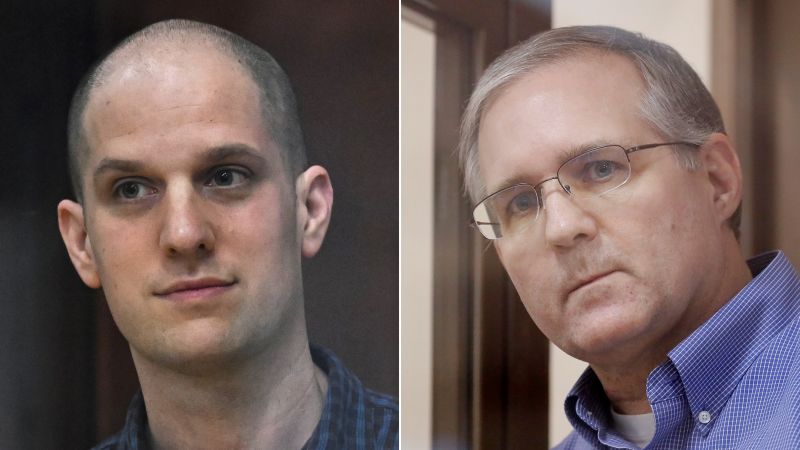
The August 2024 prisoner exchange between Russia and Western nations stands as one of the most complex diplomatic operations since the Cold War. At its core were two wrongfully detained Americans: former Marine Paul Whelan and Wall Street Journal reporter Evan Gershkovich. Their release came at a controversial price—the liberation of Russian assassin Vadim Krasikov from German custody.
Behind the scenes, negotiations involved:
- Secret backchannel talks spanning 18 months
- Participation from seven governments (including Qatar as mediator)
- Simultaneous transfers across three countries
The breakthrough followed multiple failed attempts, with Moscow consistently demanding Krasikov’s inclusion. This marked the first time Russia exchanged prisoners while actively engaged in warfare with Western-backed Ukraine, making the diplomatic feat even more extraordinary.

The Human Cost: Paul Whelan’s Ordeal in Russian Captivity

Paul Whelan endured nearly six years in Russian detention centers under conditions he described as “psychological torture.” His account reveals systemic abuse targeting Western detainees:
| Hardship | Impact |
|---|---|
| Solitary confinement | 137 consecutive days in 2021 |
| Medical neglect | Untreated herniated discs from forced labor |
| Interrogation tactics | Sleep deprivation and temperature manipulation |
Post-release, Whelan faced financial ruin after spending $250,000+ on legal fees and losing his security consultancy business. Unlike prisoners of war, civilian detainees lack structured reintegration programs—a gap that left him navigating PTSD treatment and employment searches alone.
Evan Gershkovich: From Prison Cell to Press Freedom Advocate

The Wall Street Journal reporter’s 15-month detention became a global press freedom cause célèbre. Unlike Whelan’s prolonged ordeal, Gershkovich’s case moved rapidly due to:
- Unprecedented employer advocacy (WSJ mounted a global campaign)
- Swift designation as “wrongfully detained” within 3 weeks of arrest
- Celebrity journalist allies amplifying his story
Since his release, Gershkovich has discreetly advised media organizations on risk mitigation while avoiding politicization of his experience. Colleagues note he focuses on systemic issues rather than personal narratives—a deliberate choice contrasting with Whelan’s vocal public stance.
The Journalism Paradox
Gershkovich’s professional silence raises ethical questions about how freed reporters should leverage their platforms. Some argue he owes the public transparency about Russia’s repression tactics, while others respect his refusal to become a “geopolitical puppet.”
Vadim Krasikov: The Assassin Who Shaped Geopolitics
The 2019 Berlin murder case that landed Krasikov in German prison involved chilling details:
- Daylight execution of a Chechen dissident in Tiergarten park
- Use of a suppressed pistol with forensic countermeasures
- Fabricated Italian identity (“Vadim Sokolov”)
Intelligence sources confirm Krasikov belonged to Unit 29155, a shadowy GRU division specializing in extraterritorial killings. His release sets disturbing precedents:
- Validates Russia’s assassination policy
- Undermines European judicial sovereignty
- Incentivizes future hostage-taking
The Future of Hostage Diplomacy: Risks and Reforms
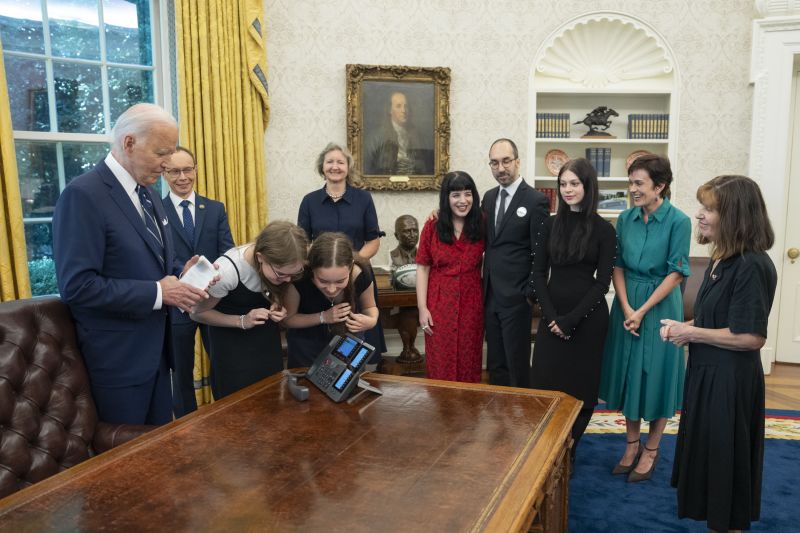
The 2024 swap established dangerous dynamics that demand policy responses:
Immediate Consequences
- 56% spike in Western citizens detained in Russia/Belarus (2024-2025)
- New Russian legislation expanding “espionage” charges
- Germany expelled from Eastern European intelligence sharing networks
Proposed Countermeasures
- Mandatory travel warnings for high-risk professions
- Pre-negotiated “no concession” policies for certain crimes
- Collective allied sanctions against hostage-taking regimes
Comments