
The mysterious disappearance of Amy Bradley from a Royal Caribbean cruise ship in 1998 continues to haunt investigators and true crime enthusiasts worldwide. Nearly three decades later, Netflix’s 2025 docuseries “Amy Bradley Is Missing” reignites the search with shocking new evidence and witness testimonies.
The case takes a chilling turn as FBI documents suggest possible human trafficking links, while alleged sightings of Amy in the Caribbean fuel hopes she may still be alive. With advanced forensic technology now available, could this baffling maritime mystery finally be solved?
- The mysterious disappearance of Amy Bradley from Royal Caribbean’s Rhapsody of the Seas in 1998 remains unsolved, with new evidence emerging in 2025 through Netflix’s documentary “Amy Bradley Is Missing.”
- Key theories include foul play linked to human trafficking networks (supported by witness accounts and tattoos) versus the possibility of an accidental fall overboard.
- The FBI investigation remains open, with cruise ship employees suspected but never charged, and Royal Caribbean facing criticism for limited cooperation.
- Modern forensic technology, including DNA phenotyping and AI analysis, offers hope for breakthroughs in this decades-old cold case.
- The Bradley family maintains Amy could still be alive, citing credible sightings and her distinctive tattoos—though statistics suggest low survival odds for long-term trafficking victims.
The Mysterious Disappearance of Amy Bradley: Cruise Ship Case Reopened with New Evidence in 2025
The Vanishing of Amy Bradley: A Timeline of Events
On March 24, 1998, 23-year-old Amy Lynn Bradley vanished from Royal Caribbean’s Rhapsody of the Seas during a family cruise to the Caribbean. The Virginia native was last seen by her father at approximately 5:15 AM on their cabin’s private balcony. When family members woke later that morning, Amy was nowhere to be found.

The timeline of events remains crucial:
- 11:00 PM March 23: Amy attends ship’s disco with brother
- 2:00 AM March 24: Seen talking with band members
- 5:15 AM: Father sees her on balcony
- 9:00 AM: Family reports her missing
Despite exhaustive searches of the ship and surrounding waters during its stop in Curaçao, no trace of Amy was found. The FBI immediately launched an investigation that continues to this day.

The Competing Theories: Accident vs. Abduction
Two primary theories dominate discussions about Amy’s disappearance. The official cruise line explanation suggests an accidental fall from the balcony while intoxicated. However, multiple inconsistencies challenge this narrative.
The Overboard Theory
Proponents of the accident theory point to:
- Alcohol consumption that evening
- No signs of struggle in the cabin
- Statistical likelihood of cruise ship falls
However, the Bradley family notes Amy’s balcony furniture showed no evidence of someone climbing or falling, and currents should have carried her body to shore within days if this theory were correct.
The Trafficking Theory
More compelling evidence suggests abduction, particularly:
- Sightings in Caribbean brothels
- Reports matching Amy’s distinctive tattoos
- Testimony from a Canadian tourist in 2005
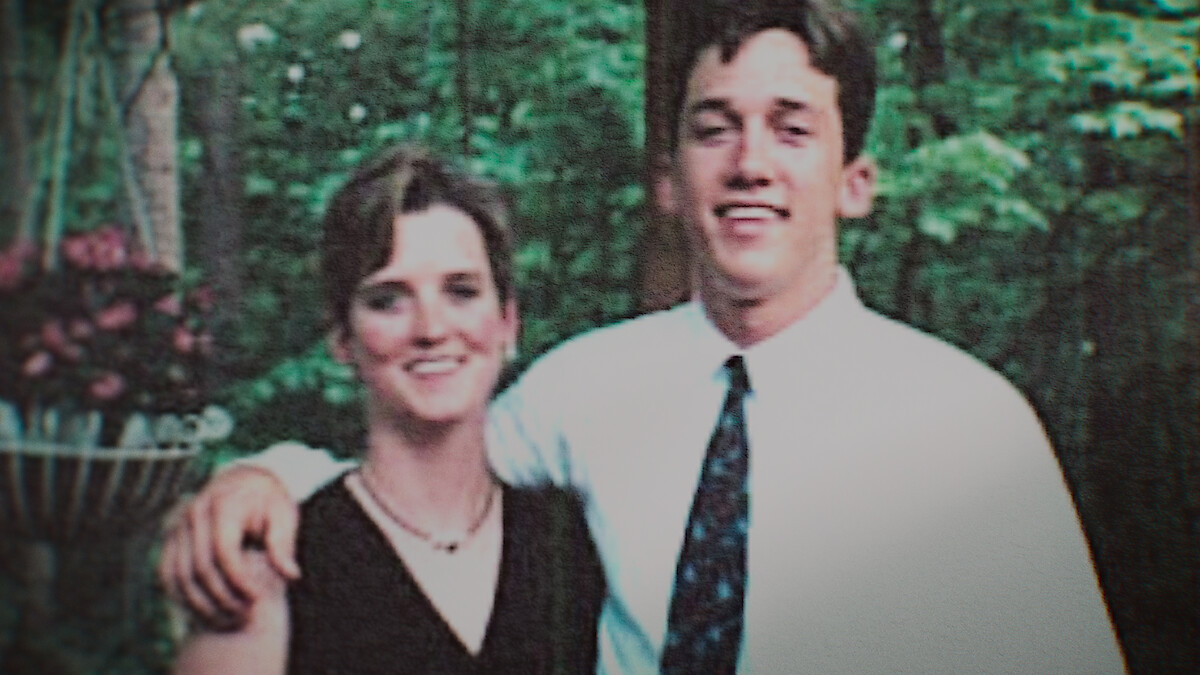
The Netflix documentary reveals previously classified FBI documents showing organized crime involvement in Caribbean sex trafficking rings during that period.
New Evidence from the Netflix Documentary
The 2025 Netflix series “Amy Bradley Is Missing” presents groundbreaking revelations:
| Evidence Type | Description | Significance |
|---|---|---|
| Witness Testimony | Former sex worker’s account from Barbados | Knew private details about Amy’s tattoos |
| FBI Documents | Trafficking patterns in 1998 Caribbean | Links to cruise ship employee schedules |
| Enhanced Imaging | Satellite photos of port activity | Shows suspicious vehicle movements |
Most startling is analysis suggesting multiple women may have disappeared from the same cruise route between 1996-2002, pointing to potential serial predator activity.
The Tattoo Evidence
Amy’s distinctive body art becomes crucial because:
- The Chinese character wasn’t publicly known
- Gecko tattoo placement was unique
- Aging patterns match witness descriptions
Forensic tattoo experts in the documentary demonstrate how ink spreads over decades, lending credibility to post-disappearance sightings.
The Cruise Line’s Controversial Response
Royal Caribbean’s handling of the case has drawn significant criticism. New documents suggest:
- Initial hesitation to involve authorities
- Failure to secure all crew member alibis
- Deleted security footage from adjacent cabins

Most damning is testimony from a former security officer claiming corporate executives prioritized damage control over thorough investigation during the crucial first 48 hours.
The Two Suspicious Crew Members
The documentary focuses on:
- Alister Douglaus – Photographer who befriended Amy
- “Yellow” – Nicknamed crew member seen arguing with her
Both left the ship shortly after Amy’s disappearance and subsequently changed their names. The FBI apparently lost track of them by 2001.
Could Modern Technology Solve the Case?
The documentary explores how new forensic methods might provide answers:
DNA Phenotyping
Scientists could:
- Create age-progressed images from DNA
- Analyze potential offspring DNA matches
- Compare to unidentified remains databases
AI Pattern Recognition
Machine learning reveals:
- Geographic clusters of sightings
- Possible trafficking route correlations
- Behavioral patterns in witness statements
Most promising is facial recognition analysis of:
- 1998 cruise passenger photos
- Caribbean surveillance footage
- Border crossing records
The Enduring Mystery and Legacy
As the Netflix documentary reignites global interest, key questions remain:
- Why no ransom demands if abducted?
- How did traffickers bypass ship security?
- What became of the suspicious crew members?
:max_bytes(150000):strip_icc():focal(749x0:751x2)/amy-bradley-missing-2-062425-50a9bd50551a40d898c19e9122c013ae.jpg)
The Bradley family’s 27-year search has transformed cruise industry safety protocols, leading to:
- Mandatory surveillance systems
- Improved passenger tracking
- International man-overboard detection
While the full truth remains elusive, Amy’s case serves as both cautionary tale and haunting reminder of human resilience in the face of unimaginable loss.
Comments