
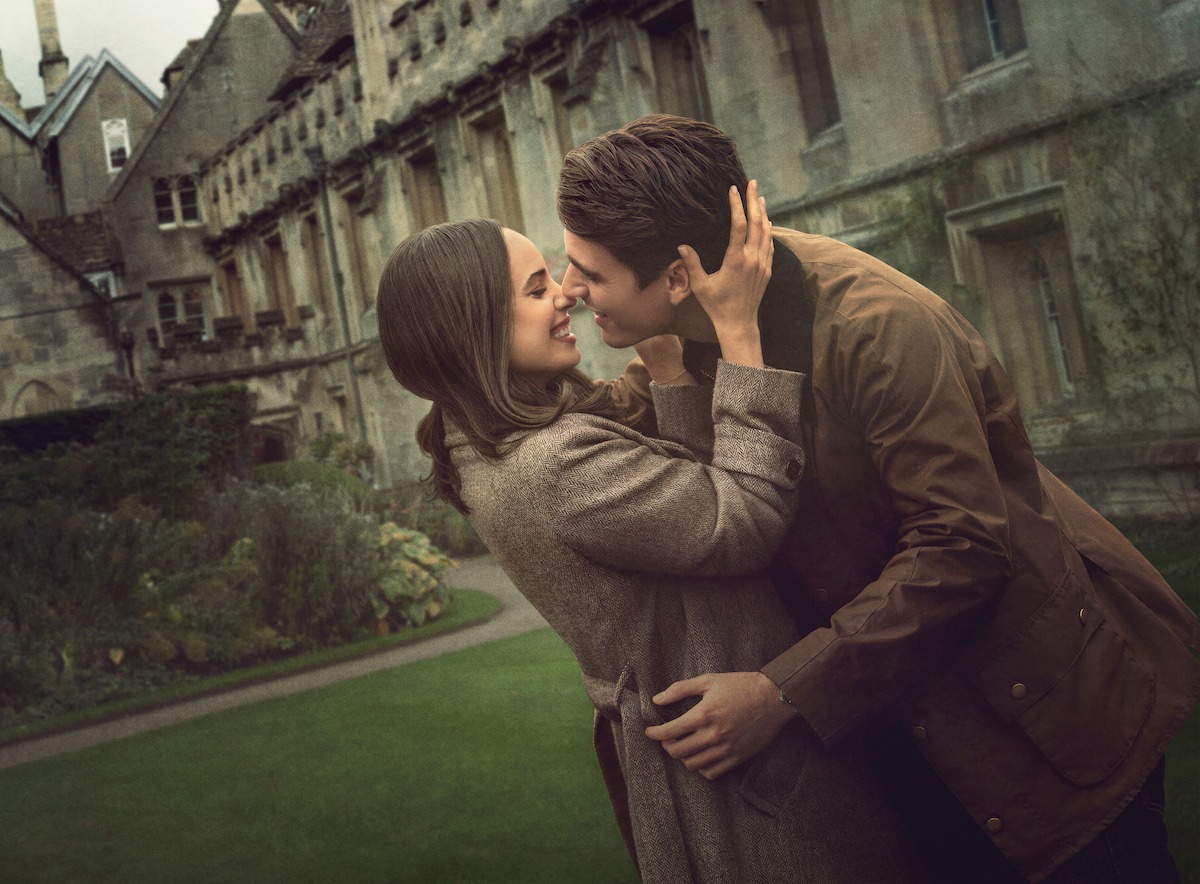
“My Oxford Year,” Julia Whelan’s beloved novel, comes to life in Netflix’s newest romantic drama, starring Sofia Carson and Corey Mylchreest in a poignant story of love and self-discovery at Oxford University.
While the film captures the dreamy essence of academic life and first love, fans are asking: is this emotional journey based on true events? The answer reveals Whelan’s masterful blend of fiction and universal coming-of-age experiences that resonate deeply with audiences worldwide.
- Netflix’s “My Oxford Year” adapts Julia Whelan’s 2018 novel, starring Sofia Carson and Corey Mylchreest in a bittersweet Oxford-set romance premiering August 1, 2025.
- While not based on a true story, the film authentically captures Oxford University’s academic atmosphere, blending fictional drama with universal themes of first love and personal growth.
- Key differences exist between book and movie: the novel offers deeper character insights while the film condenses subplots into a streamlined narrative with emotionally complex endings.
- The story explores mature relationship decisions prioritizing personal development over romance, symbolized through Jamie’s annotated poetry book gift that represents lasting transformation.
Is “My Oxford Year” Based on a True Story? Unpacking Julia Whelan’s Inspiration
Netflix’s adaptation of My Oxford Year starring Sofia Carson isn’t a biographical account, but Julia Whelan’s 2018 novel draws authentic emotional truth from academic experiences. As an audiobook narrator and former actor, Whelan crafts Anna’s coming-of-age journey with remarkable sincerity about study abroad transformations.
Oxford alumni will recognize the pressure-cooker environment of tutorials depicted in both book and film – an institutional character that shapes relationships under its spires. While Anna and Jamie’s romance is fictionalized, the cultural dislocation and intellectual awakening mirror universal graduate school experiences.


The Real Oxford Behind the Romance
Location scouts perfectly captured Oxford’s aesthetic:
- Bodleian Library’s Gothic stacks
- Formal hall dinners in historic colleges
- May Morning celebrations on Magdalen Tower
Though the film compresses the academic calendar, these settings ground the fantasy in tactile reality. The production even consulted Oxford historians about proper subfusc attire.
Where to Read Julia Whelan’s Original Novel
For deeper character insights than the film’s runtime allows, readers can find Whelan’s book at:
| Format | Retailers |
|---|---|
| Hardcover | Amazon, Waterstones, Barnes & Noble |
| Ebook | Kindle, Apple Books, Kobo |
| Audiobook | Audible (narrated by Whelan herself) |
The novel expands on Anna’s political ambitions and Jamie’s health struggles with lyrical prose that makes Oxford itself breathe.
Key Differences Between Book and Adaptation
The Netflix version streamlines multiple timelines into a linear narrative while:
- Trimming secondary characters
- Condensing academic subplots
- Softening Jamie’s medical condition for PG-13 appeal
Does “My Oxford Year” Have a Happy Ending? Analyzing the Bittersweet Conclusion
Without spoilers, the finale prioritizes emotional authenticity over fairytale resolutions. Unlike conventional rom-coms, the story recognizes that some loves transform us profoundly without lasting forever.
The symbolic gift exchange in the climax suggests lasting impact beyond physical separation – an ending that respects audiences’ intelligence while leaving room for interpretation.
That Final Letter – Hope or Heartbreak?
Jamie’s postscript revelation (deliberately placed mid-credits) has divided viewers:
- Team Realist: Accepts life’s impermanence
- Team Romantic: Demands clearer closure
Why Sofia Carson Was Perfect Casting for American Outsider Anna
The former Disney star captures Anna’s combustible mix of:
- Academic competitiveness
- Cultural naivety
- Emotional vulnerability
Her chemistry with Corey Mylchreest’s Jamie feels spark-then-simmer rather than insta-love, evolving believably through shared intellectual passion.
British Accent Controversy – Authentic or Americanized?
While Carson nails RP pronunciation during tutorials, some Oxford alumni note:
| Accurate | Hollywood |
|---|---|
| Formal speech patterns | Over-emphasized “posh” tones |
| Academic vocabulary | Simplified regional dialects |
The Film’s Emotional Soundtrack – Hidden Meanings in Musical Choices
Composer Isobel Waller-Bridge employs subtle motifs:
- Reed instruments fade as Jamie’s health declines
- Metronomic ticking underscores Anna’s urgency
- Silent spaces replace swelling strings in later acts
The library kiss scene’s original song blends Baroque counterpoint with modern electronica – aural metaphor for the central culture clash.

Why the Score Avoids Predictable Romance Cues
By rejecting saccharine strings during emotional peaks, the soundtrack reinforces the story’s rejection of clichés. The restrained instrumentation lets silence speak volumes.
Comments