
A South Korean PhD student, Will Kim, was detained by ICE at San Francisco International Airport despite holding a green card, sparking fears among international students. Kim, who has lived in the U.S. since age five and researches a Lyme disease vaccine at Texas A&M, was transferred to an Arizona detention facility without explanation.
His case mirrors recent detentions of other students, including Yeonsoo Go, a Purdue University student held after a visa hearing. Advocates warn these incidents reflect broader threats to legal residents and scholars under heightened immigration enforcement, raising urgent questions about the risks facing international students in the U.S.
- A South Korean PhD student, Will Kim, was detained by ICE at San Francisco Airport despite holding a green card since 2011 and living in the U.S. since age five.
- His detention follows a pattern targeting international students, including Yeonsoo Go from Purdue University, arrested during a visa hearing.
- Immigration experts warn that even students with clean records risk detention due to broad enforcement policies and legal gray areas involving minor past offenses.
- Universities are increasingly advising students to carry certified immigration documents and secure legal representation before traveling internationally.
Why Was a South Korean PhD Student with a Green Card Detained by ICE?
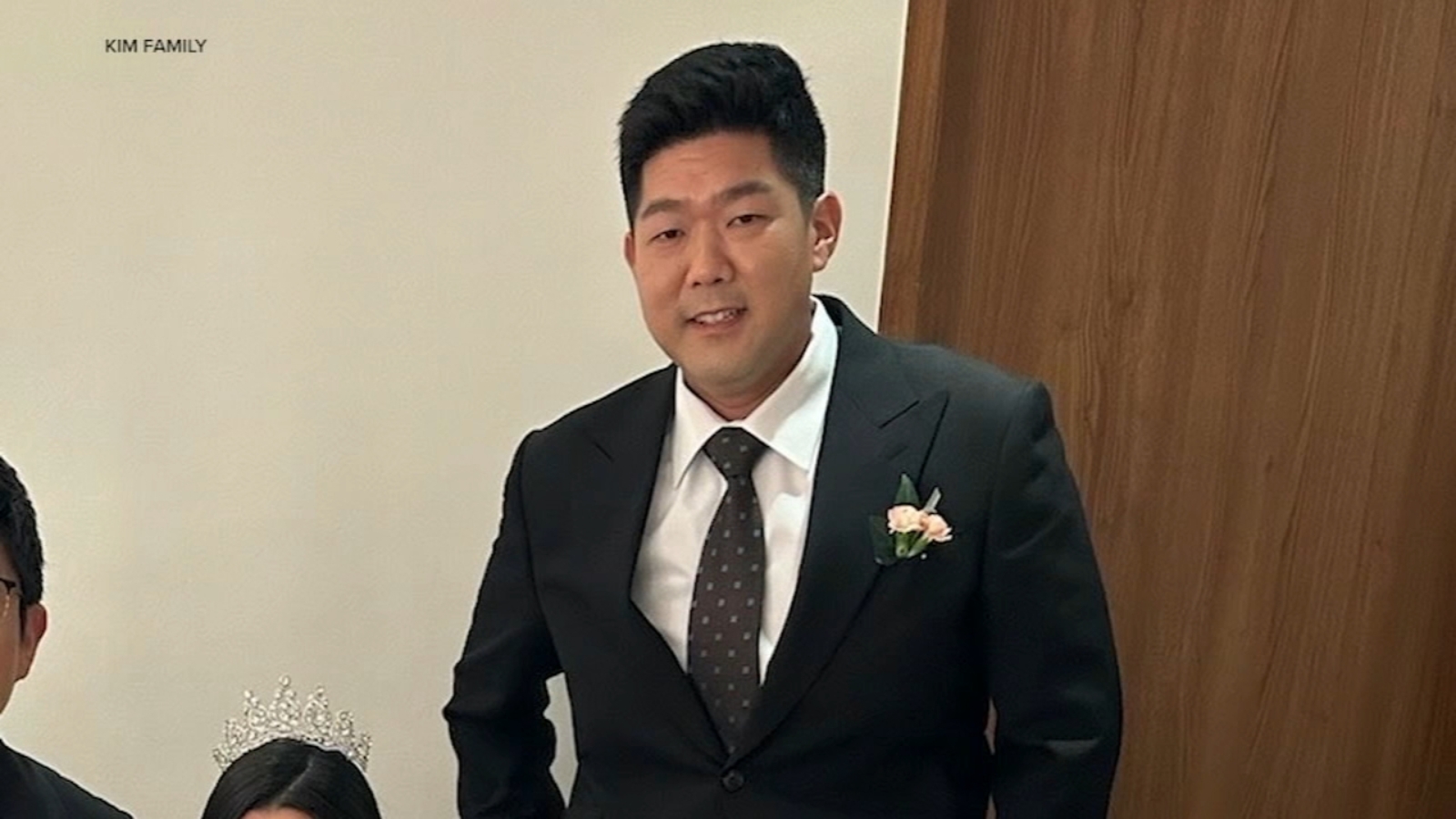
The case of Tae Heung “Will” Kim, a South Korean PhD candidate at Texas A&M University, has sent shockwaves through academic circles. Despite holding a green card since 2011 and living in the U.S. since age five, Kim was detained by U.S. Immigration and Customs Enforcement (ICE) at San Francisco International Airport upon returning from his brother’s wedding. The unexplained detention of a lawful permanent resident conducting critical Lyme disease research raises alarm about immigration enforcement priorities.
Kim’s lawyers confirm he was transferred to an Arizona detention facility under harsh conditions, including constant artificial lighting and limited outdoor access. ICE cited “pending removal proceedings” but provided no specific justification, leaving academic communities questioning whether minor past violations (like Kim’s disclosed 2011 drug charge) now warrant detention of long-term residents.

The Legal Paradox of Permanent Residency
- Conditional status: Green cards remain revocable for certain criminal convictions, even after decades
- Discretionary enforcement: ICE prioritizations frequently change between administrations
- Rehabilitation blindspot: Minor offenses from youth often outweigh adult contributions
A Pattern Emerging: Other International Students Facing Similar Detentions
Kim’s case isn’t isolated. Yeonsoo Go, a South Korean student at Purdue University, was detained after a routine visa hearing. Like Kim, Go had maintained legal status yet found himself in confinement. These incidents suggest a shift toward stricter interpretation of immigration rules affecting even high-achieving scholars.
Analysis of recent cases reveals concerning patterns:
| Name | Institution | Status | Detention Trigger |
|---|---|---|---|
| Will Kim | Texas A&M | Green Card | Airport re-entry |
| Yeonsoo Go | Purdue | F-1 Visa | Visa hearing |
| Anonymous | Columbia | F-1 Visa | Activism-related |
What Rights Do Detained Students Actually Have?
Technically, detained students retain constitutional rights to due process and legal representation. Reality paints a grimmer picture:
- Remote facilities: Many detention centers are hours from legal resources
- Limited access: Phone calls and attorney visits are often restricted
- Educational disruption: Most facilities lack study accommodations

Kim’s reported conditions – constant illumination and minimal outdoor exposure – appear typical for ICE facilities. Such environments create psychological distress that compounds legal challenges.
Comparative Detention Standards
| Factor | Student Needs | Typical ICE Facility |
|---|---|---|
| Study Space | Quiet, well-lit | Shared cells with noise |
| Internet Access | Critical for research | Usually prohibited |
| Mental Health | Counseling needed | Minimal services |
How Should International Students Protect Themselves?
Based on immigration attorneys’ recommendations:
- Travel preparation: Carry multiple copies of immigration documents
- Legal mapping: Identify specialized attorneys before emergencies
- Paper trails: Document academic/civic contributions meticulously
- Consulate registration: Ensure home country awareness of your status
- Campus resources: Know your university’s international office protocols
The Broader Impact on U.S. Higher Education
Early data suggests declining applications from countries with high-profile detention cases. More troubling is the chilling effect on academic collaboration as researchers reconsider U.S. conferences and fieldwork. Universities now face pressure to reassess their relationship with immigration authorities.

Three Potential Consequences
- Talent drain: Top researchers may choose countries with stable immigration policies
- Research delays: Fieldwork and international collaborations become riskier
- Institutional costs: Universities invest more in legal support services
Unanswered Questions in Will Kim’s Case
Critical mysteries remain regarding Kim’s detention:
- Timing: Why was action taken now after 11 years of green card status?
- Location: Why transfer him to Arizona rather than Texas facilities?
- Equity: Are non-citizens being held to stricter standards than citizens with similar minor records?
The lack of transparency fuels speculation about whether Kim’s research field or national origin played inappropriate roles. Until ICE provides clearer explanations, academic communities rightly remain concerned.

What Comes Next for Affected Students?
The path forward involves multiple challenges:
- Legal battles: Potentially years of appeals and hearings
- Academic recovery: Rebuilding disrupted research timelines
- Psychological toll: Addressing trauma from confinement
- Community support: Maintaining advocacy momentum
Texas A&M’s response to Kim’s case may set precedents for how universities support detained researchers. Early signs suggest institutions are recognizing these situations require more than generic legal referrals.
Comments