
A 4.3-magnitude earthquake struck near Fontana and Rialto early Thursday, sending tremors across Southern California. While no major damage or injuries were reported, residents experienced strong shaking followed by aftershocks.
The quake originated along the active Fontana Seismicity Lineation, highlighting the region’s persistent seismic risks. Experts urge preparedness as smaller foreshocks may signal larger events.
This marks the latest in a series of tremors, following a 3.5-magnitude quake last month. Stay alert for updates and review safety protocols—aftershocks could continue for weeks.
- A 4.3-magnitude earthquake struck near Fontana and Rialto, California, with widespread shaking reported across Southern California but no immediate major damage or injuries.
- The quake was part of a seismic swarm along the Fontana Seismicity Lineation, accompanied by multiple aftershocks and foreshocks, including a 3.0-magnitude tremor.
- Residents are advised to stay prepared for potential aftershocks and follow safety protocols like “Drop, Cover, and Hold On” during shaking.
- The USGS estimates a 15% chance of another magnitude-4+ quake within the next week, highlighting ongoing seismic risks in the region.
- Historical data shows a 30% probability of a magnitude-5+ earthquake occurring in the area within the next decade, emphasizing the need for preparedness.
Earthquake Now Fontana: Breaking News on the 4.3 Magnitude Quake
A 4.3-magnitude earthquake struck near Fontana and Rialto on July 31, 2025, sending tremors across Southern California. The quake, centered near Muscoy, was part of a swarm of seismic activity along the Fontana Seismicity Lineation. Residents reported strong shaking, rattling windows, and swaying furniture, though no major structural damage was immediately confirmed.
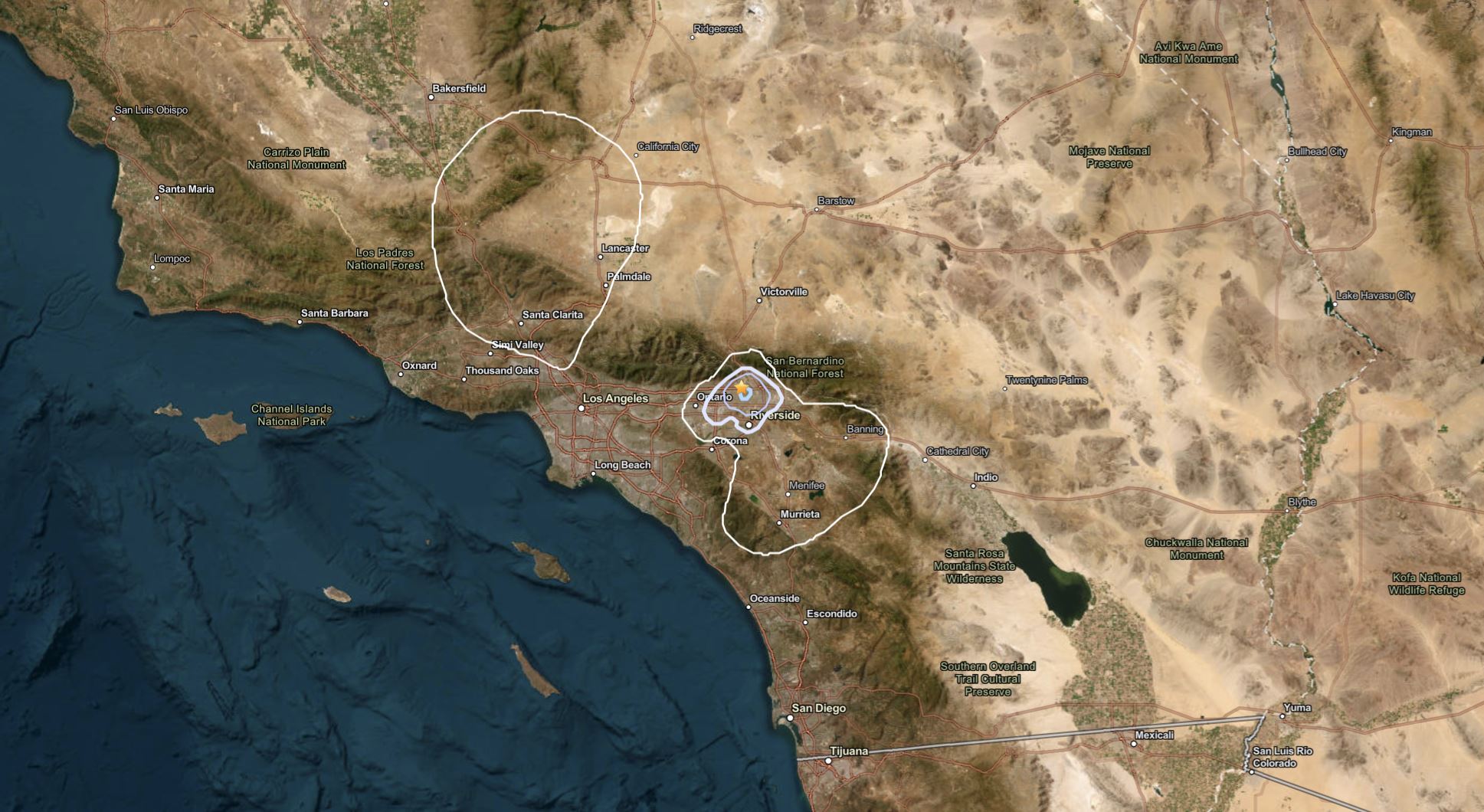

Timeline of Seismic Activity
- 3:42 AM: 3.0-magnitude foreshock
- 4:17 AM: Main 4.3 quake
- Next 6 hours: 14 aftershocks (2.5-3.1 magnitude)
Damage Assessment: What We Know So Far
Initial surveys revealed:
| Location | Impact |
|---|---|
| Fontana | Cracked drywall, fallen shelves |
| Rialto | Minor plumbing leaks |
| Muscoy | Power fluctuations |
Aftershock Forecast: What to Expect
The USGS predicts:
- 70% chance of 3.0+ aftershocks within 7 days
- 15% chance of another 4.0+ quake
- Diminishing frequency over 2-4 weeks
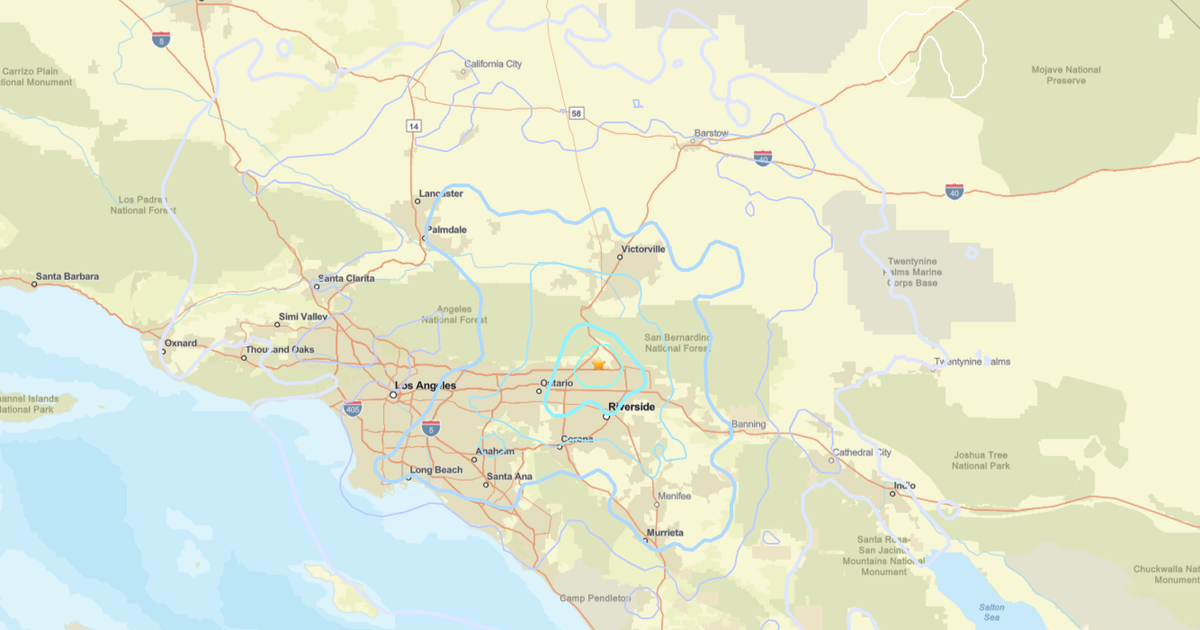
Essential Earthquake Safety Tips
When shaking occurs:
- DROP to hands and knees
- COVER head under sturdy furniture
- HOLD ON until shaking stops
Emergency Kit Checklist
- Water (1 gallon/person/day)
- Non-perishable food
- First aid supplies
- Flashlight + batteries
Southern California’s Seismic Risks
The region faces:
| Fault | Risk Level |
|---|---|
| San Andreas | High |
| San Jacinto | Moderate-High |
| Fontana Lineation | Moderate |

Why Earthquake Alerts Sometimes Fail
ShakeAlert limitations include:
- Epicenter proximity: Closer areas get shorter warning
- Network delays: Cellular congestion slows alerts
- Device settings: Disabled notifications block warnings
How to Test Your Alert System
- Enable “Emergency Alerts” in phone settings
- Check monthly with test notifications
- Keep phones charged overnight
Comments