
Vince McMahon has broken his silence in a revealing new Hulk Hogan documentary, addressing two explosive topics: his fury over WWE crowd reactions and the aftermath of his recent car crash. The former WWE CEO, rarely interviewed since his 2024 exit, shared raw emotions about Hogan’s polarizing final appearance.
Filmed just days after McMahon’s reckless driving incident, the documentary captures his unfiltered perspective on wrestling’s golden era. With Hogan’s legacy debated by modern fans, McMahon’s candid remarks shed new light on their complex partnership and the evolving WWE audience.
- Vince McMahon expressed anger over Hulk Hogan’s mixed reception during his final WWE appearance, believing the wrestling legend deserved unanimous praise for his contributions to the industry.
- McMahon’s controversial car crash occurred on the same day as Hogan’s death, raising questions about his physical and mental state during the documentary interview.
- The documentary reveals previously unheard stories, including Hogan’s backstage power during WWE’s golden era and McMahon’s regrets about their 1993 separation.
- McMahon compared current WWE stars like Roman Reigns and Logan Paul to Hogan, acknowledging their charisma but noting Hogan’s unique mainstream appeal.
Vince McMahon Breaks Silence: Explosive Revelations About Hulk Hogan’s WWE Reception
In a rare interview for the upcoming Hulk Hogan documentary, Vince McMahon candidly addressed the mixed crowd reactions during Hogan’s final WWE appearance. The WWE chairman expressed visible frustration, feeling Hogan deserved unanimous adoration for revolutionizing the industry. “The boos during emotional moments felt disrespectful to a man who built this company,” McMahon stated, revealing his personal investment in Hogan’s legacy.
The documentary highlights how McMahon booked Hogan as the perpetual superhero during WWE’s national expansion in the 1980s. Modern fans accustomed to anti-heroes like “Stone Cold” Steve Austin might not grasp Hogan’s cultural significance as the face of family-friendly wrestling. This generational divide underscores how fan expectations have dramatically shifted.
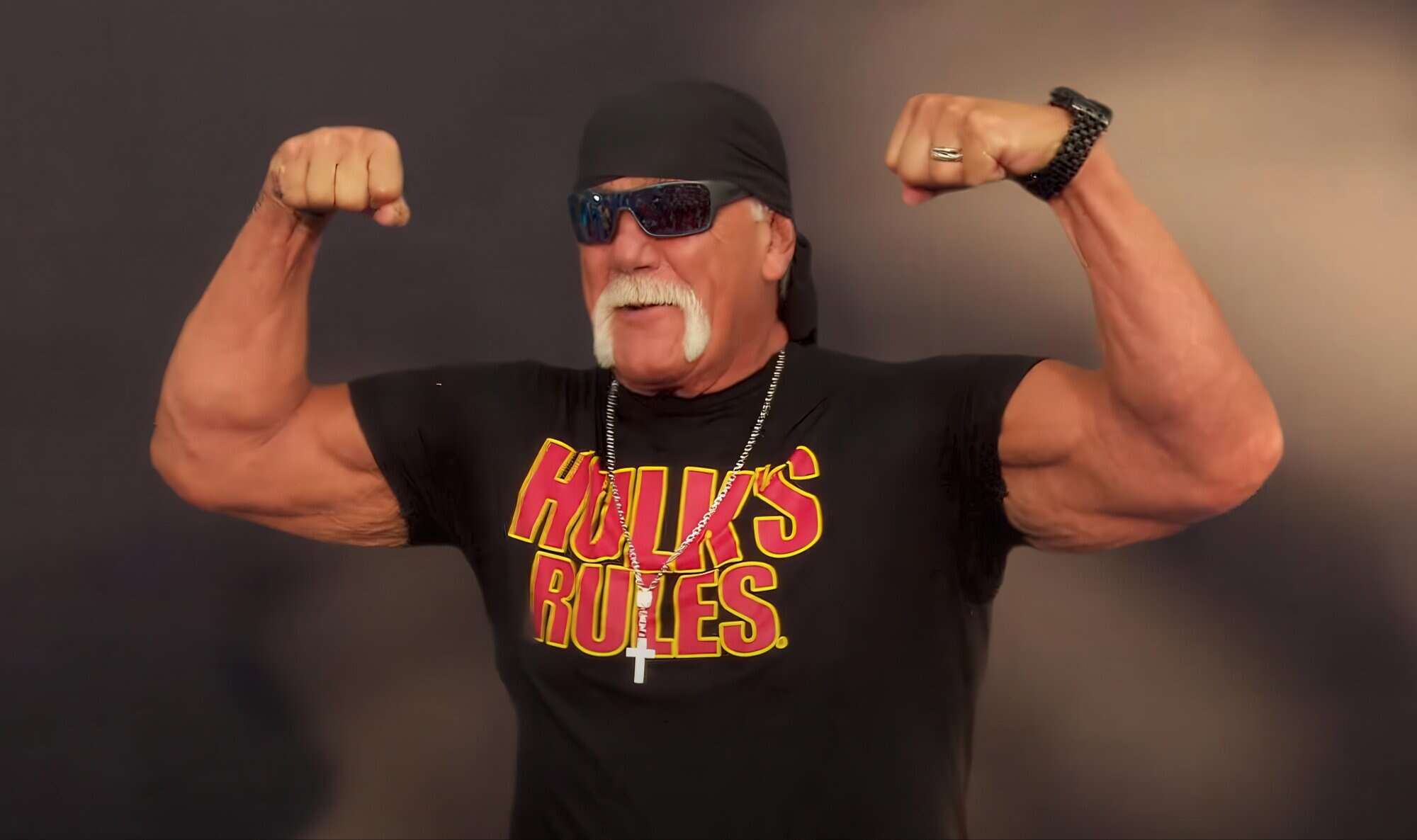
Was Hogan’s Character Too Dated for Modern Audiences?
McMahon argued that Hogan’s red-and-yellow persona symbolized American optimism during the Cold War—a context newer fans might overlook. The documentary contrasts Hogan’s 1980s cheers with his controversial 2015 return, where some fans rejected his nostalgic act.

The Car Crash That Shook McMahon’s Documentary Interview
Filmed days after McMahon’s high-speed Bentley crash in Connecticut, the documentary captures raw footage of the wrestling mogul grappling with mortality. Though avoiding life-threatening injuries, McMahon appeared physically strained during interviews, requiring abbreviated filming sessions. The timing was eerily symbolic—McMahon survived his accident just hours before Hogan’s death was announced.
Insiders noted uncharacteristic vulnerability as McMahon discussed their complicated partnership. He choked up recalling final messages exchanged with Hogan, suggesting the dual traumas softened his normally guarded demeanor.

Untold Stories: Hogan’s Backstage Power and WWE Steroid Trial Fallout
The documentary unveils Hogan’s unprecedented creative control clauses, allowing him to veto match outcomes—a privilege McMahon granted few stars. One bombshell reveals Hogan manipulated WrestleMania IX’s controversial finish, contrary to decades of WWE narratives pinning the decision on McMahon.
The 1994 Steroid Trial That Nearly Destroyed Their Bond
McMahon describes feeling betrayed when Hogan testified about WWE’s steroid culture during the high-profile trial. “That testimony could’ve buried us,” McMahon admitted, marking one of few times he questioned Hogan’s loyalty. The film suggests their relationship only healed after Hogan’s 2003 WWE return.
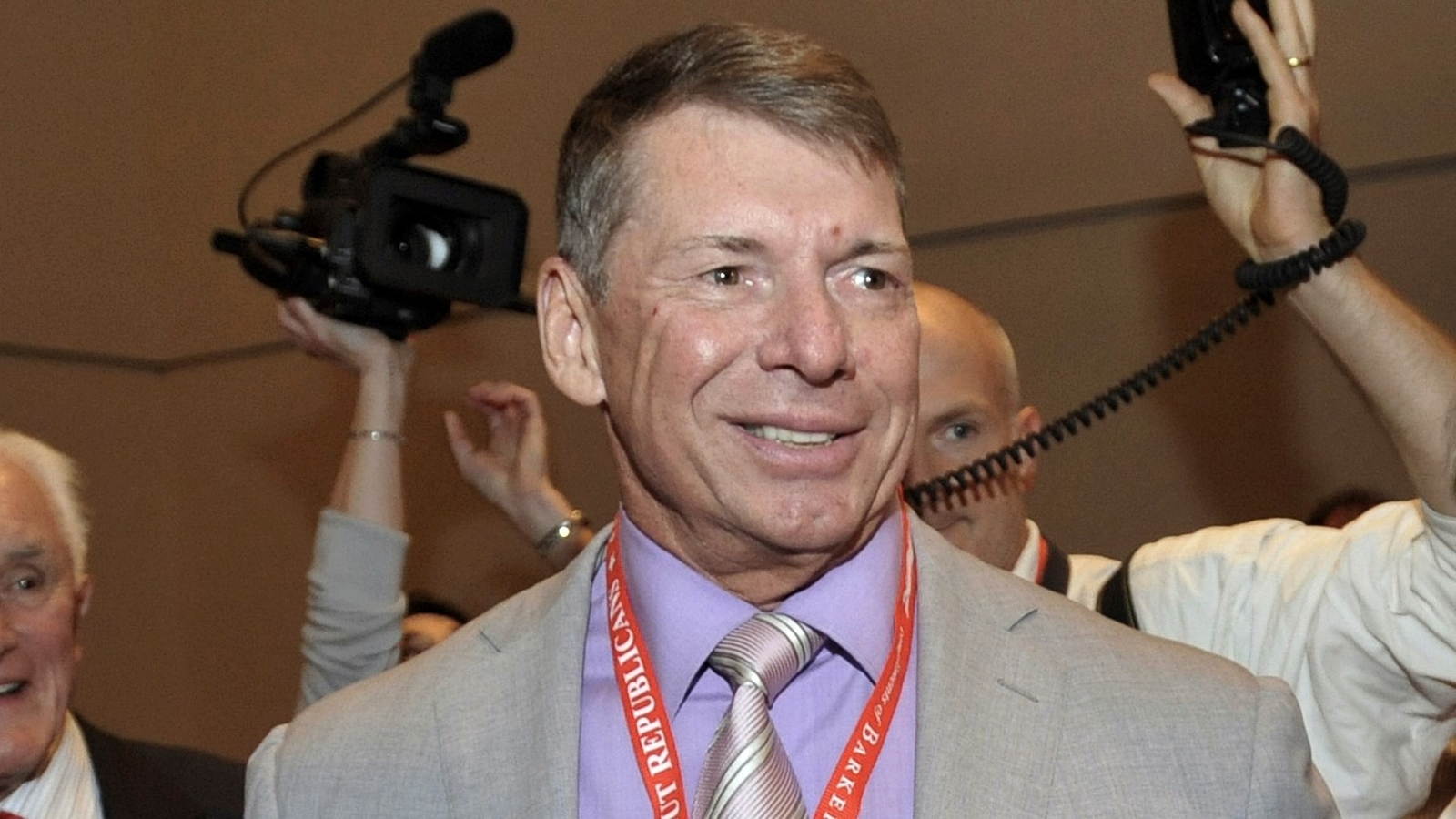
McMahon’s Regrets: From WCW Defection to 2003 Firing
McMahon revealed second-guessing Hogan’s 1993 departure to WCW, admitting it exacerbated WWE’s mid-90s ratings slump. However, he stood firm on terminating Hogan’s 2003 contract after the racist tape scandal, calling it “a necessary evil” despite their personal bond.
The film’s most shocking admission involves McMahon acknowledging Hogan’s Hollywood ambitions often overshadowed WWE commitments, forcing creative compromises. This challenges Hogan’s longtime “company man” image.
WrestleMania IX: The Finish That Wasn’t McMahon’s Call
For 30 years, McMahon took heat for Hogan abruptly winning the title after Bret Hart’s match. The documentary reveals Hogan threatened to no-show unless the change was made—a power play McMahon now discloses to reshape historical perception.
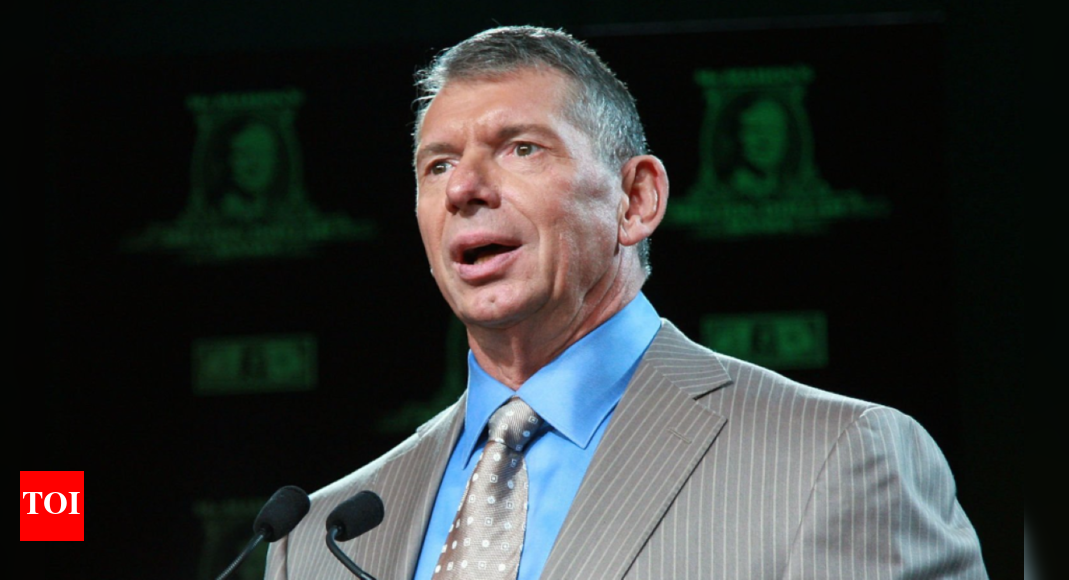
Hogan’s Legacy: How McMahon Views Modern WWE Stars
McMahon drew fascinating parallels between Hogan and current stars. He called Roman Reigns the “Hogan of his era” with superior in-ring skills, while comparing Logan Paul’s charisma to young Hogan’s crossover appeal. The documentary underscores Hogan’s template for creating mainstream wrestling icons.
Ultimately, McMahon credits Hogan for teaching him wrestling could transcend regional sports and become global entertainment—a vision that defined WWE’s growth. In his most poignant moment, McMahon admits: “Without Hulk, there is no WrestleMania. Without WrestleMania, there is no billion-dollar WWE.”

Comments