
Hurricane Erin’s aftermath continues to disrupt Charlotte, with widespread power outages and hazardous road conditions persisting across the city. Emergency crews scramble to restore electricity to over 250,000 customers while transportation officials work to clear flooded highways.
The storm’s lingering impacts highlight Charlotte’s vulnerability to extreme weather events, as residents face days-long waits for normalcy. With recovery efforts underway, officials warn that some areas may endure extended disruptions due to severe infrastructure damage.
Meanwhile, meteorologists monitor new tropical developments in the Atlantic, raising concerns about back-to-back hurricane threats during this active season.
- Hurricane Erin has caused widespread power outages and road closures in Charlotte, with over 250,000 Duke Energy customers affected and 35 major roads still impassable.
- Recovery efforts are underway, but officials warn outages may persist for days in hardest-hit areas, particularly in South Charlotte, East Charlotte, and University City neighborhoods.
- Residents should avoid unnecessary travel as floodwaters and debris continue to pose risks, with key routes like I-485 and US-74 expected to remain closed through the weekend.
- Meteorologists are monitoring new storm systems in the Atlantic, emphasizing that September typically brings peak hurricane activity to the region.
Latest Charlotte Weather Update: Hurricane Erin’s Power Outage Timeline and Road Reopening Status
Hurricane Erin’s Current Impact on Charlotte
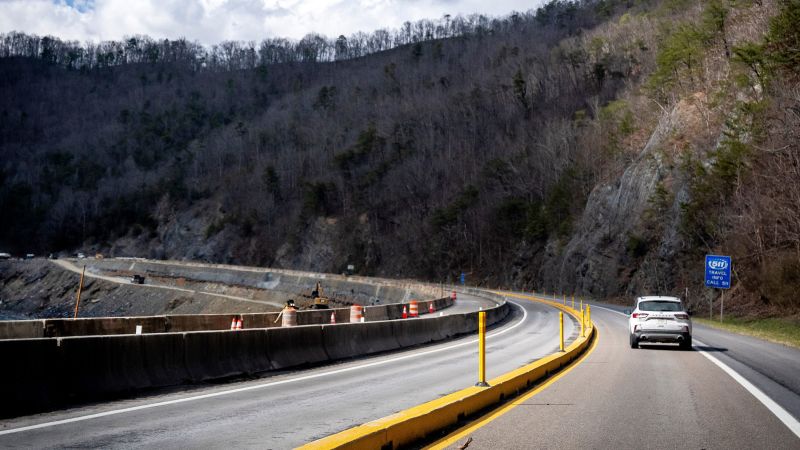
Hurricane Erin has left Charlotte reeling from its destructive path, with sustained winds reaching 100 mph at landfall. The storm caused widespread flooding across the city, particularly affecting low-lying areas near creeks and rivers. Over 250,000 residents remain without power as of Thursday morning, with Duke Energy reporting extensive damage to transmission lines and substations.
The most severely impacted neighborhoods include South Charlotte’s Ballantyne area, where floodwaters reached 4 feet in some locations, and University City along W.T. Harris Blvd, where numerous trees toppled onto power lines. Emergency services have responded to over 500 calls for rescue operations since the storm began, with first crews prioritizing life-threatening situations.
The National Weather Service confirms this ranks among the top 5 most damaging hurricanes to hit the Charlotte region since 2000, comparable to Hurricane Hugo’s impacts in 1989. While the storm’s center has moved northeast, outer rain bands continue producing heavy rainfall at rates of 1-2 inches per hour, slowing recovery efforts.

Power Restoration Efforts and Timeline

Duke Energy has mobilized over 3,000 crew members from across the Southeast to address the outage crisis. Their restoration timeline breaks down as follows:
- Urban centers: 85% restored by Friday night
- Suburban areas: 90% restored by Sunday
- Rural communities: Possibly 7-10 additional days
The utility company has established priority zones for restoration:
| Priority Level | Facilities | Status |
|---|---|---|
| 1 | Hospitals, 911 centers | 90% restored |
| 2 | Water treatment plants | 75% restored |
| 3 | Major transit routes | 60% restored |
Residents should note that estimated restoration times may change as crews encounter additional damage during assessments. The utility warns against approaching downed power lines, which may still be energized even if they appear inactive.
Road Conditions and Transportation Updates
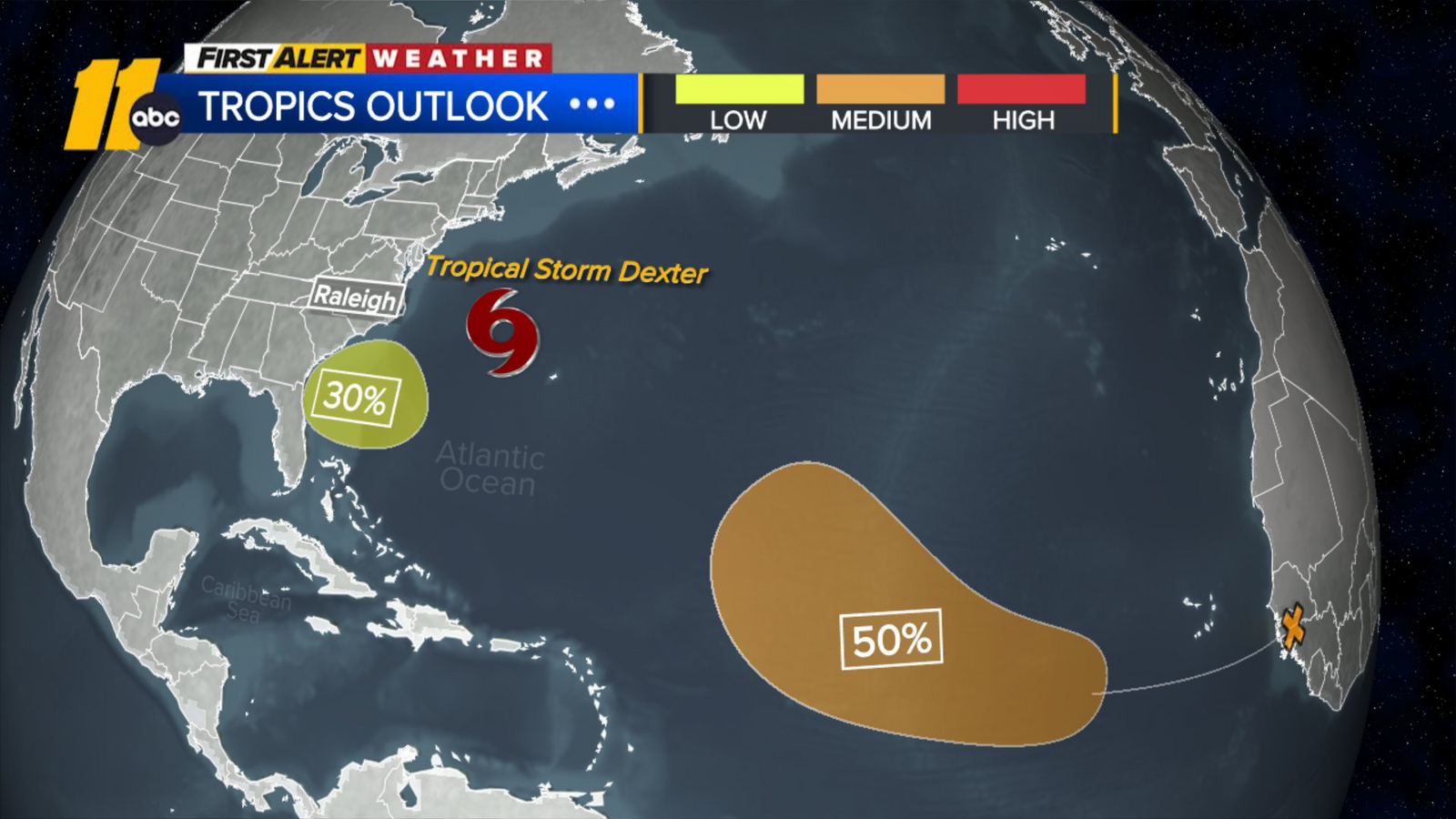
Charlotte’s transportation network has suffered significant damage, with authorities reporting:
- 35 major road closures
- 128 traffic signals non-operational
- 15 bridges under inspection
Key highway status updates include:
| Route | Condition | Detour |
|---|---|---|
| I-485 (south) | Complete closure | Use I-77 or US-521 |
| I-77 near Belmont | 2 lanes closed | Expect 45 min delays |
| US-74 | Intermittent flooding | Alternate routes advised |
Transportation officials emphasize that many secondary roads remain impassable due to debris and standing water, creating dangerous conditions for unnecessary travel. Crews are working 24/7 to clear routes, but advise motorists to check real-time traffic cameras before departing.
Public Transportation Adjustments
CATS has implemented the following changes:
- Light rail service suspended until Saturday
- Bus routes operating on Sunday schedules
- Paratransit services prioritizing medical trips
Emergency Resources and Recovery Assistance
Charlotte has established multiple assistance centers offering:
- Bottled water distribution
- Non-perishable food supplies
- Tarps and basic repair materials
- Medical check-ups
The major distribution locations operating 24/7 include:
- Bojangles Coliseum: Serving east Charlotte
- Mallard Creek High School: Northern sectors
- Steele Creek Park: Southwest communities
FEMA representatives are on-site at these locations to begin damage assessments and process assistance applications. Residents are urged to document all storm-related damage with timestamped photographs before beginning cleanup or repairs.
Safety Precautions for Returning Residents
Officials recommend these safety measures:
- Wear protective footwear around debris
- Assume all standing water is contaminated
- Use generators outdoors only
- Check on elderly neighbors
Weather Outlook and Future Storm Potential
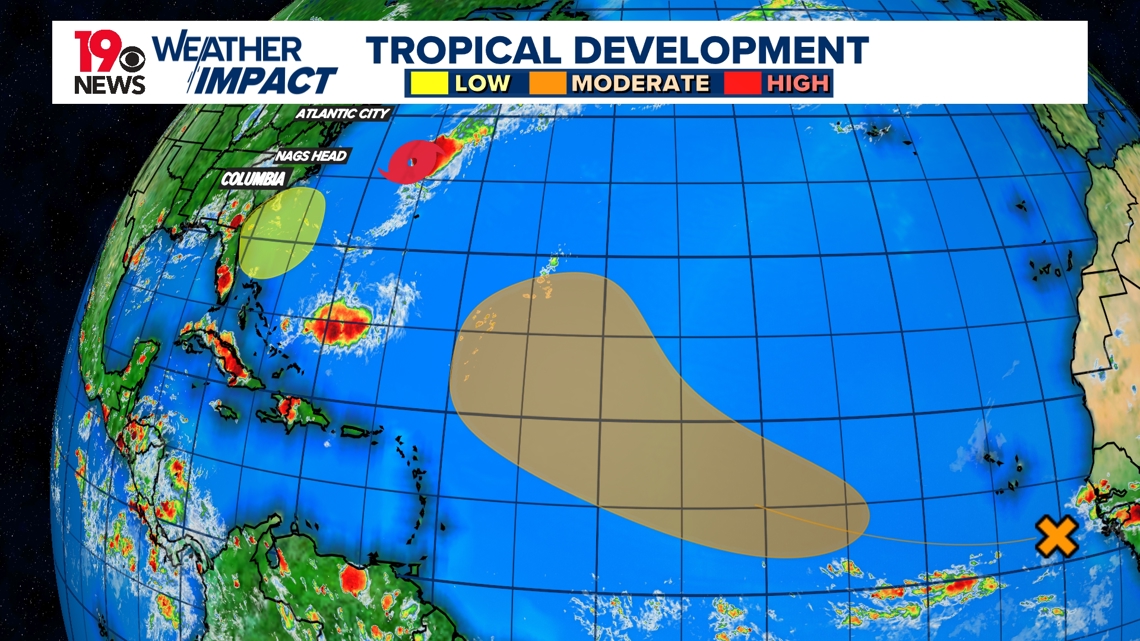
The National Hurricane Center is monitoring two developing systems in the Atlantic that could impact the Southeast:
- Disturbance 1: 40% development chance, moving WNW
- Disturbance 2: 30% development chance, stationary
Local meteorologists note that September typically brings the most active period for tropical systems in this region. The combination of warm ocean temperatures and favorable atmospheric conditions creates higher potential for rapid intensification of storms this season.
Residents should use the current recovery period to:
- Restock emergency supplies
- Review evacuation routes
- Clear storm drains near properties
- Secure outdoor items
Long-Term Recovery and Community Support
The Charlotte region faces several months of recovery work, including:
- Debris removal continuing through October
- Road and bridge repairs into winter
- Watershed management improvements
Volunteer organizations are coordinating cleanup efforts, with opportunities for residents to assist through:
| Organization | Focus Area | Contact |
|---|---|---|
| Red Cross | Shelter support | 704-XXX-XXXX |
| Habitat for Humanity | Home repairs | 704-XXX-XXXX |
| Second Harvest | Food distribution | 704-XXX-XXXX |
Mental health resources are also available for those experiencing storm-related trauma or anxiety, with counselors stationed at all emergency shelters and distribution centers.
Comments