
SpaceX is preparing for its 10th Starship test flight, with renewed focus on achieving the program’s most elusive milestone: a successful booster landing. After weather delays scrubbed two previous attempts, engineers have implemented critical upgrades to the Super Heavy recovery system.
This flight represents a pivotal moment for SpaceX’s Mars ambitions, as reusable boosters are fundamental to reducing launch costs. While previous tests ended dramatically, each failure has brought the company closer to mastering controlled descent of the world’s most powerful rocket.
NASA and space enthusiasts worldwide will watch closely as SpaceX attempts to validate its rapid iteration approach. The outcome could determine timelines for both lunar missions and future interplanetary travel.
- SpaceX’s 10th Starship test flight aims to achieve the first successful booster landing, a critical milestone for proving reusability in Elon Musk’s Mars colonization vision.
- Weather delays have postponed two previous launch attempts, but the FAA’s recent approval for 25 annual launches from Boca Chica signals growing regulatory confidence.
- Upgrades include modified grid fins, reinforced tank walls, and improved flight termination systems following debris incidents in earlier tests.
- NASA’s Artemis program depends on Starship’s progress, particularly for lunar lander development, though timeline risks remain due to unresolved technical challenges like orbital refueling.
SpaceX Starship 10th Test Flight: Will This Be the Breakthrough Moment?
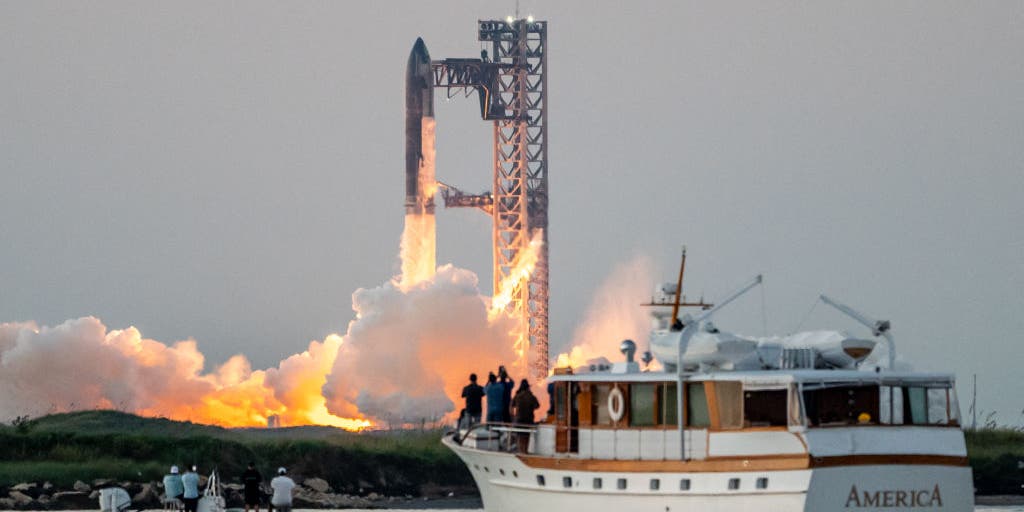
SpaceX stands at a pivotal moment with its 10th Starship test flight approaching. After nine attempts that yielded mixed results but invaluable data, this launch represents SpaceX’s most comprehensive effort yet to demonstrate full reusability. The Super Heavy booster’s landing attempt will be the primary focus, following previous failures that included mid-air explosions and missed landing zones.
Technical upgrades for this flight include:
- Reinforced thermal protection systems
- Enhanced flight termination mechanisms
- Improved grid fin actuators
- Upgraded Raptor engine shielding
SpaceX’s iterative development approach has drawn both praise and criticism. While traditional aerospace programs might view multiple public failures as unacceptable, Elon Musk’s company treats each explosion as a learning opportunity, accelerating development through real-world testing rather than extensive computer modeling.

The Stakes for SpaceX’s Mars Ambitions
Successful booster recovery isn’t just about cost savings – it’s fundamental to Musk’s vision of making interplanetary travel routine. Without reliable reuse, Mars colonization becomes economically unfeasible. The Starship system requires:
| Component | Reuse Target |
|---|---|
| Super Heavy Booster | 24-hour turnaround |
| Starship Upper Stage | Weekly reuse |
| Raptor Engines | 100+ flights |
Weather Challenges: The Uncontrollable Variable
South Texas weather has proven to be a persistent obstacle for SpaceX’s launch schedule. The Starship system has particularly stringent weather requirements due to its massive size and unconventional recovery methods. Key constraints include:
- Wind speed limits at multiple altitude bands
- Strict visibility requirements for visual tracking
- Atmospheric stability for booster return trajectory
The company has invested heavily in weather prediction systems, including proprietary algorithms that analyze Gulf Coast weather patterns. Recent FAA approvals for expanded launch windows demonstrate growing confidence in SpaceX’s ability to manage these challenges.
Comparing Starship to Traditional Launch Systems
SpaceX’s approach differs radically from legacy aerospace programs:
| Metric | Traditional | SpaceX |
|---|---|---|
| Testing Philosophy | Extensive ground tests | Flight-focused iteration |
| Failure Tolerance | Near-zero | Expected and planned |
| Development Pace | Years between tests | Weeks between tests |
The Booster Landing Challenge: Why It’s So Difficult

Landing the Super Heavy booster presents unique physics challenges that Falcon 9 never faced. At nearly three times the mass and double the height of Falcon 9’s first stage, the booster must:
- Decelerate from much higher velocities
- Manage significantly greater aerodynamic forces
- Execute precise maneuvers with less margin for error
SpaceX’s solution involves a complex ballet of engine burns and aerodynamic control:
- Initial descent controlled by three Raptor engines
- Mid-phase transition to two-engine configuration
- Final landing burn with single-engine precision
The mechanical arm catch attempt adds another layer of complexity – requiring millimeter-perfect positioning of a falling skyscraper.
NASA’s Lunar Timeline: Can Starship Deliver?
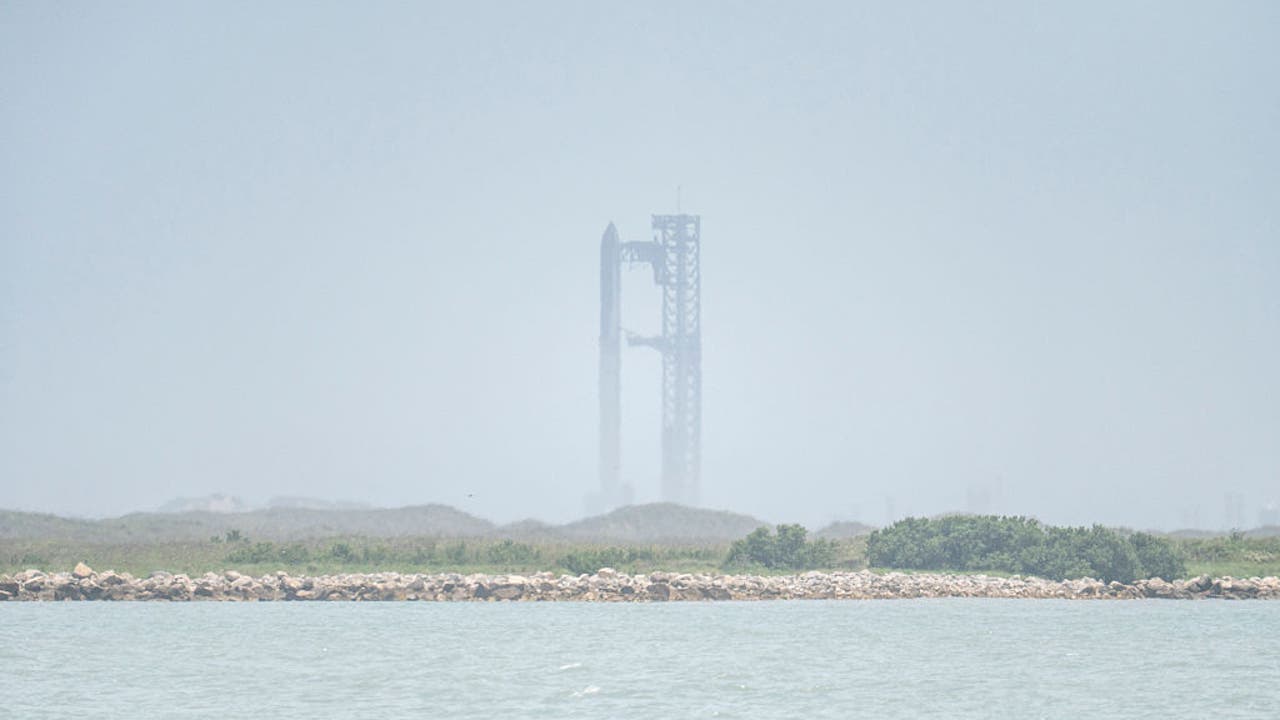
With Artemis missions depending on Starship’s success, NASA watches each test flight with growing anticipation. The lunar lander variant requires capabilities beyond the basic Starship design:
- Orbital refueling technology
- Precision landing systems
- Human-rated life support
- Thermal management for lunar surface operations
SpaceX maintains an aggressive parallel development schedule, working on multiple Starship variants simultaneously. This approach carries higher financial risk but could potentially compress development timelines.
Critical path items remaining for Artemis include:
- Successful uncrewed lunar landing demonstration
- Validation of orbital refueling
- Crew cabin systems testing
The Financial Equation: Counting the Costs of Innovation
Each Starship test represents a substantial investment:
| Cost Component | Estimated Range |
|---|---|
| Vehicle Hardware | $50-$100 million |
| Launch Operations | $5-$10 million |
| Range Support | $2-$5 million |
While these figures seem staggering, they must be viewed in context. Traditional development programs like SLS spent billions before ever flying. SpaceX’s approach front-loads costs but may ultimately prove more economical.
The company’s funding strategy appears designed to accommodate this:
- Starlink revenue offsets development costs
- Commercial launch contracts provide steady income
- NASA development funding reduces risk
Looking Ahead: What Comes After Test Flight 10?
Regardless of the 10th flight’s outcome, SpaceX’s roadmap remains ambitious. Near-term milestones include:
- Orbital refueling demonstrations
- Extended duration flights
- Payload deployment tests
Longer term, the company aims to:
- Establish regular Starship flights
- Demonstrate point-to-point Earth transport
- Conduct uncrewed Mars missions
The coming year will prove decisive for Starship’s future, with success potentially ushering in a new era of space exploration and failure possibly requiring major strategy reassessment.
Comments