
The Toronto Blue Jays stand on the brink of history as they face the Los Angeles Dodgers in Game 6 of the World Series, seeking their first championship since 1993 after a dominant Game 5 performance. With rookie phenom Trey Yesavage emerging as an unlikely hero and Shohei Ohtani struggling under pressure, the stage is set for a potential crowning moment in Rogers Centre.
All eyes are on Ohtani, whose quiet bat (just .188 in the series) contrasts sharply with his $700 million offseason decision to spurn Toronto for Los Angeles. Can the two-way superstar rally the Dodgers, or will Toronto’s relentless offense and tactical brilliance seal their long-awaited title?
From Vladimir Guerrero Jr.’s record-chasing power surge to bullpen gambles and defensive innovations, every pitch carries championship implications in what promises to be an unforgettable night of October drama.
- The Toronto Blue Jays are one win away from their first World Series title since 1993, led by rookie Trey Yesavage’s historic 12-strikeout performance in Game 5.
- Shohei Ohtani’s struggles continue, batting just .188 in the series, with Toronto’s pitchers exploiting his weakness against low-and-away sliders.
- Vladimir Guerrero Jr. is chasing the single-year postseason home run record (8 HRs), with all his homers coming in Blue Jays victories.
- The Dodgers face bullpen challenges, with a 5.12 ERA and questionable availability of ace Blake Snell for critical moments.
- Toronto’s aggressive scouting and real-time defensive adjustments have frustrated Dodgers hitters, contributing to their .219 team average in the series.
Dodgers vs Blue Jays Game 6: Can Toronto Seal Their First World Series Win Since 1993? Live Recap & Ohtani’s Crucial Moment
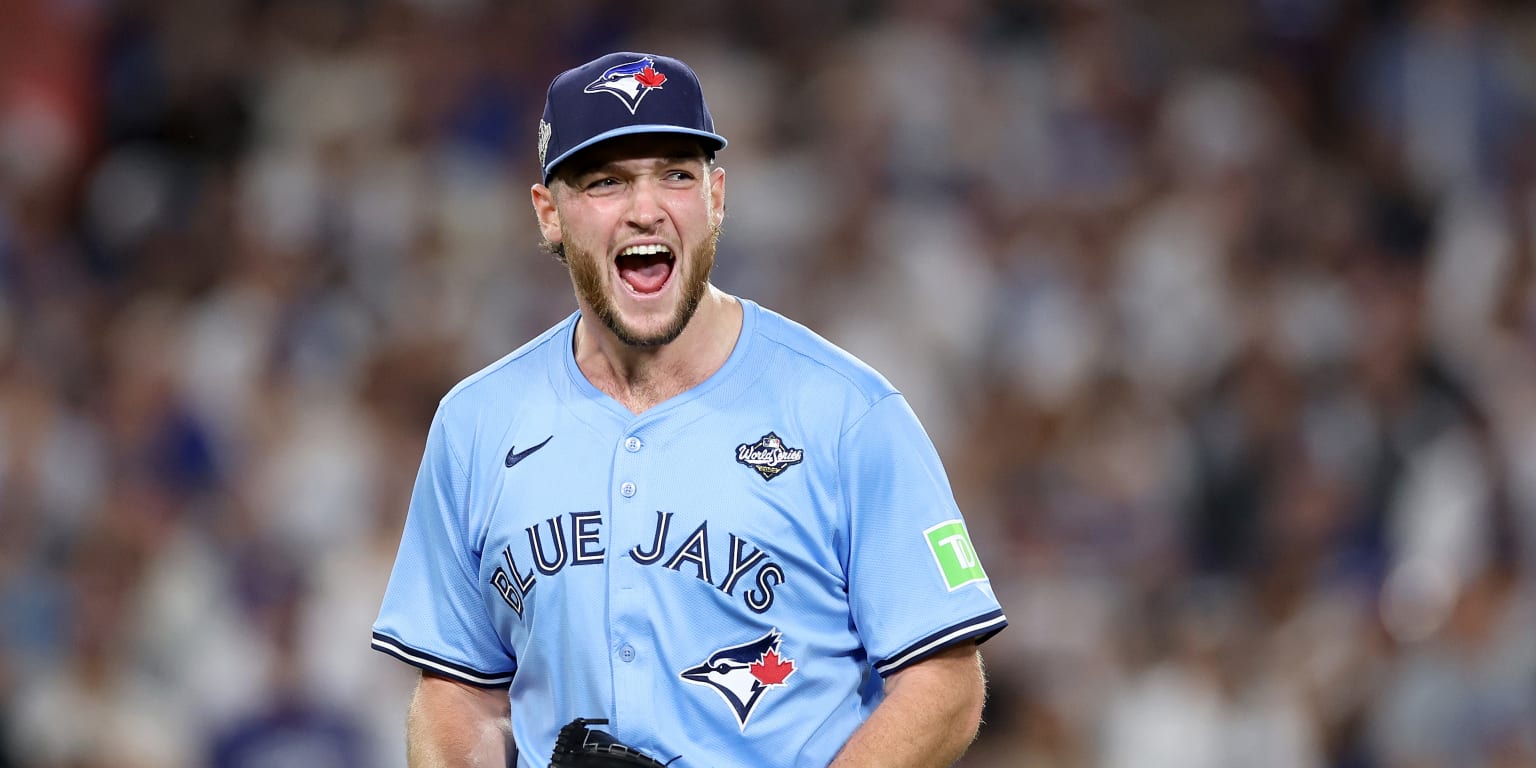
Historic Opportunity for Toronto: One Win Away from Ending 32-Year Drought
The Toronto Blue Jays stand on the precipice of baseball immortality as they enter Game 6 with a 3-2 series lead against the Los Angeles Dodgers. No Canadian team has won the World Series since the Blue Jays’ back-to-back championships in 1992-93, making this potential victory particularly meaningful for an entire nation of baseball fans.
Toronto’s success has been built on dominant pitching and timely hitting. Rookie sensation Trey Yesavage delivered a historic Game 5 performance with 12 strikeouts over 7 innings, tying postseason records and silencing the Dodgers’ powerful lineup. The Blue Jays’ offense exploded early against Blake Snell, scoring two runs in the first three pitches of Game 5.
Key factors favoring Toronto:
- Home field advantage at Rogers Centre
- Momentum from Yesavage’s dominant start
- Dodgers’ bullpen struggles throughout the series

Shohei Ohtani’s World Series Struggles: Can the Superstar Deliver When It Matters Most?
Shohei Ohtani’s first season with the Dodgers has been nothing short of spectacular – until this World Series. The two-way phenom is batting just .188 through five games, with 8 strikeouts and only one home run. His Game 5 performance was particularly concerning, going 0-for-4 with 3 strikeouts against Yesavage.
Analysis of Ohtani’s at-bats reveals a troubling pattern:
| Pitch Type | Chase Rate | Whiff Rate |
|---|---|---|
| Slider Low/Away | 42% | 38% |
| Fastball High/Inside | 18% | 12% |
Toronto’s pitchers have exploited Ohtani’s weakness against low-and-away sliders with remarkable consistency. With elimination looming, Dodgers manager Dave Roberts may need to adjust Ohtani’s spot in the lineup to give him more opportunities to impact the game.
The Rogers Centre Factor: How Toronto’s Home Field Could Decide Game 6
The series shifts back to Toronto’s Rogers Centre, where the Blue Jays posted an impressive 54-27 record during the regular season. The closed dome creates unique conditions that could significantly impact Game 6:
- Enhanced crowd noise that can rattle opposing pitchers
- Faster playing surface on artificial turf
- Last change advantage for Toronto’s lineup
The Dodgers will need to adjust their defensive positioning for the turf’s unique bounces, while Toronto’s speed-oriented lineup could exploit the faster surface with aggressive baserunning. Historically, teams playing Game 6 at home with a 3-2 lead have won the series 68% of the time.
Pitching Matchups and Bullpen Strategies: Who Holds the Edge?
Both teams face critical decisions regarding their pitching staffs for Game 6. Toronto has announced they plan to use Game 5 starter Trey Yesavage in relief, despite his 99-pitch outing just two days prior. This aggressive strategy reflects their desperation to close out the series at home.
The Dodgers’ pitching situation is more complicated:
- Blake Snell’s mysterious absence from Game 5 raises injury concerns
- Bullpen has posted a 5.12 ERA this postseason
- Lack of reliable multi-inning relievers
Toronto’s Bullpen Concerns
While the Blue Jays have the advantage in starting pitching, their bullpen presents potential vulnerabilities. Closer Jordan Romano has blown two saves this postseason, and his slider has lacked its usual sharpness. Manager John Schneider may need to rely heavily on left-hander Yusei Kikuchi as a multi-inning bridge to the late innings.
Offensive X-Factors: Players Who Could Swing Game 6
While stars like Ohtani and Guerrero Jr. command attention, several under-the-radar players could decide Game 6:
For Toronto:
- Alejandro Kirk – 6 RBIs this series, emerging as a clutch performer
- Addison Barger – Game 1 hero with power potential
- Bo Bichette – Due for a breakout after quiet series
For Los Angeles:
- James Outman – .391 vs LHP this season
- Miguel Vargas – .412 OBP vs 95+ mph fastballs
- Chris Taylor – 7 career postseason HRs off relievers

Vladimir Guerrero Jr. deserves special attention, as his 8 postseason home runs put him within striking distance of Barry Bonds’ single-year record (8 in 2002). Each of Guerrero’s homers has come in Blue Jays victories, making him the ultimate barometer for Toronto’s success.
Historical Context: What History Tells Us About Potential Outcomes
Baseball’s rich history provides intriguing context for Game 6:
| Situation | Record | Win % |
|---|---|---|
| Teams leading 3-2 at home for Game 6 | 17-8 | 68% |
| Road teams forcing Game 7 | 8-17 | 32% |
| Rookie starters in elimination games | 3-5 | 37.5% |
The most telling statistic: teams that win Game 5 to take a 3-2 series lead have gone on to win the World Series 70% of the time. This bodes well for Toronto, though the Dodgers’ veteran core has overcome long odds before.
Historical parallels to consider:
- 2016 Cubs – overcame 3-1 deficit against Cleveland
- 2002 Angels – won Game 6 and 7 at home
- 1993 Blue Jays – won Game 6 on Joe Carter’s walk-off
Conclusion: What to Expect in This Potential Championship-Clinching Game
Game 6 presents a fascinating clash of narratives: Toronto’s quest to end a 32-year championship drought versus the Dodgers’ attempt to keep their dynasty alive. The key matchups – Yesavage vs Ohtani, Toronto’s offense vs LA’s bullpen, Guerrero Jr.’s power vs Dodgers’ pitching – create endless intrigue.
Ultimately, three factors will likely decide the game:
- Can Ohtani break out of his slump?
- Will Toronto’s bullpen hold up under pressure?
- How will the Rogers Centre crowd impact the game?
One thing is certain: baseball fans worldwide will witness either the crowning of a new champion or the dramatic extension of a classic World Series. With so much on the line, Game 6 promises to deliver unforgettable drama regardless of the outcome.
Comments