
The New York City mayoral race is heating up as Republican underdog Curtis Sliwa gains unexpected momentum against Democratic Socialist Zohran Mamdani. Early voting data shows Sliwa closing the gap in key boroughs, fueled by surging support among older voters and moderates.
What began as a predicted progressive landslide now hangs in the balance, with Sliwa’s law-and-order message resonating in neighborhoods concerned about crime. As both campaigns enter the final stretch, this clash of ideologies could redefine NYC politics.
The outcome may hinge on whether Sliwa’s late surge can overcome Mamdani’s progressive strongholds—or if Democratic turnout will ultimately prevail in America’s bluest city.
- The NYC mayoral race between Curtis Sliwa and Zohran Mamdani is tightening, with Sliwa gaining 5 points in recent polls while Mamdani’s lead shrinks to 42%.
- Sliwa’s surge is driven by older and moderate voters, particularly in outer boroughs like Staten Island and Queens, where crime concerns resonate.
- Housing affordability remains the top voter issue (34%), but Sliwa’s law-and-order messaging contrasts sharply with Mamdani’s progressive platform on tenant protections.
- Analysts note similarities to Eric Adams’ 2021 victory, where late-breaking public safety worries reshaped the electorate, but Mamdani’s youth turnout could still decide the race.
Curtis Sliwa Gains Momentum: Can the Underdog Republican Upset NYC’s Mayoral Race Against Zohran Mamdani?
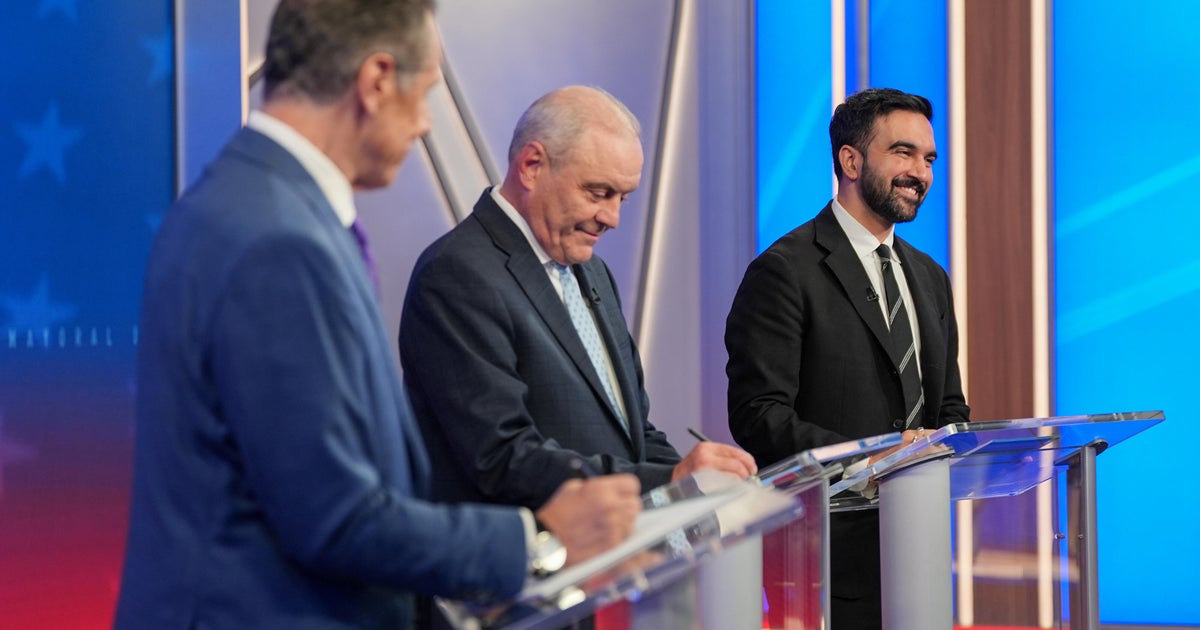
The Unexpected Resurgence of Curtis Sliwa’s Campaign
Recent polling data reveals a seismic shift in New York City’s mayoral race, with Republican candidate Curtis Sliwa surging in support during the critical final days of early voting. The Guardian Angels founder has closed a double-digit gap to trail Democratic Socialist Zohran Mamdani by just 5 points in the latest Emerson College/NBC New York poll. This dramatic turnaround marks the first time in 20 years that a Republican candidate has been competitive in NYC’s general mayoral election.
Sliwa’s law-and-order message appears to be resonating with older voters and moderates alarmed by rising crime rates. Neighborhoods like Bay Ridge and Middle Village – traditionally Democratic strongholds – are showing unexpectedly high turnout for the Republican. Meanwhile, Mamdani’s progressive base in Brooklyn and Manhattan remains energized but potentially complacent, with early voting patterns suggesting lower-than-expected youth participation.
| Date | Mamdani Lead | Key Shifts |
|---|---|---|
| Oct 10 | +12 | Democratic base consolidated |
| Oct 24 | +8 | Sliwa gains in outer boroughs |
| Nov 1 | +5 | Crime emerges as top issue |

Breaking Down the Demographic Shifts
Drill-down data reveals fascinating patterns in voter behavior:
Age Divide
- Voters 65+: Sliwa leads 58-32
- Voters 18-29: Mamdani leads 71-19
Neighborhood Trends
Working-class areas with high immigrant populations are shifting toward Sliwa despite traditional Democratic leanings. In Queens’ 24th Assembly District (45% Asian American), Sliwa has gained 18 points since September by hammering Mamdani’s support for defunding police.
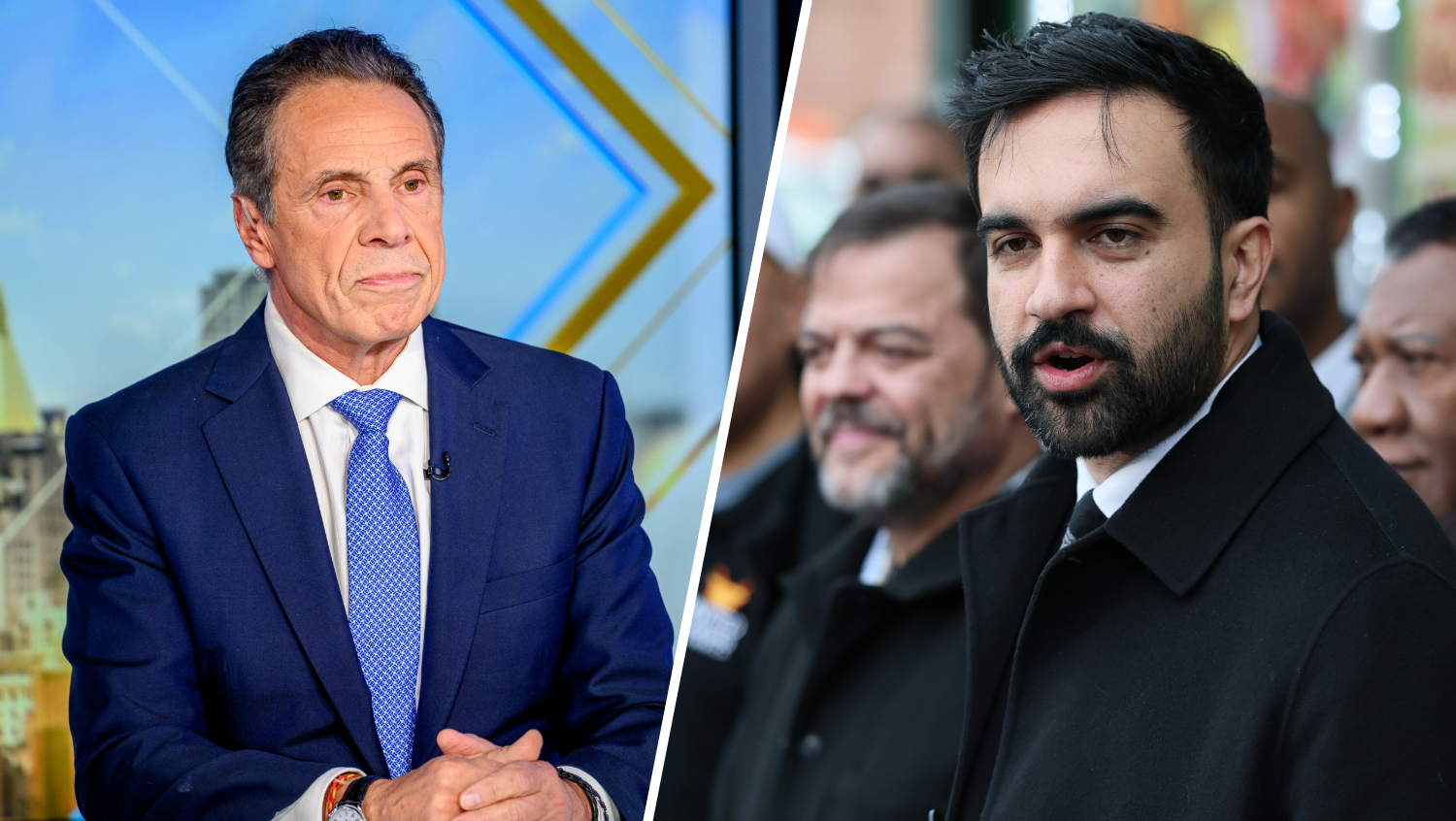
The Policy Battleground: Crime vs. Housing
While crime dominates headlines, polling shows housing affordability remains the top concern for 34% of voters – particularly in gentrifying neighborhoods. This creates a paradox where Mamdani leads on the most important issue but loses ground on the most emotionally charged one.
Key Policy Comparisons
| Issue | Sliwa Position | Mamdani Position |
|---|---|---|
| Policing | Add 3,000 officers | Redirect funds to social services |
| Housing | Tax incentives for developers | Universal rent control |
National Implications of the NYC Race
The contest has drawn unprecedented national attention as both parties view it as a bellwether for 2026 midterms. Former President Trump called Mamdani “a 100% communist radical,” while Bernie Sanders rallied progressives in Washington Square Park.
- Democratic strategists worry a close race could signal waning progressive momentum
- Republicans see opportunity to rebrand in urban areas nationwide

Historical Precedents and Election Forecast
NYC mayoral history suggests late momentum often persists through Election Day. In 1993, Giuliani overcame a 7-point deficit in final polls. More recently, Eric Adams’ 2021 primary victory demonstrated crime’s galvanizing power.
Possible Outcomes
- Base Case: Mamdani wins by 4-6 points
- Upset Scenario: Sliwa wins with depressed progressive turnout
Comments