
The Federal Aviation Administration (FAA) is facing a perfect storm of challenges as flight reductions and staffing shortages collide, threatening to cripple air travel nationwide. Starting Friday, 40 major airports will see a 10% cut in flights amid an ongoing government shutdown.
Air traffic controllers, already grappling with chronic understaffing, are now working without pay, raising serious concerns about safety and operational stability. With absenteeism rising and holiday travel approaching, passengers face a cascade of delays with no end in sight.
- The FAA will implement 10% flight reductions at 40 major airports due to government shutdown-related staffing shortages, worsening nationwide delays.
- Over 13,000 air traffic controllers are working unpaid, with fatigue and safety risks escalating after 3-4 weeks of shutdown conditions.
- The White House has discussed but not guaranteed back pay for furloughed workers, while private jet traffic increases by 17% due to fewer restrictions.
FAA Flight Reductions and Staffing Crisis: How Air Traffic Controller Shortages Could Worsen Airport Delays Nationwide
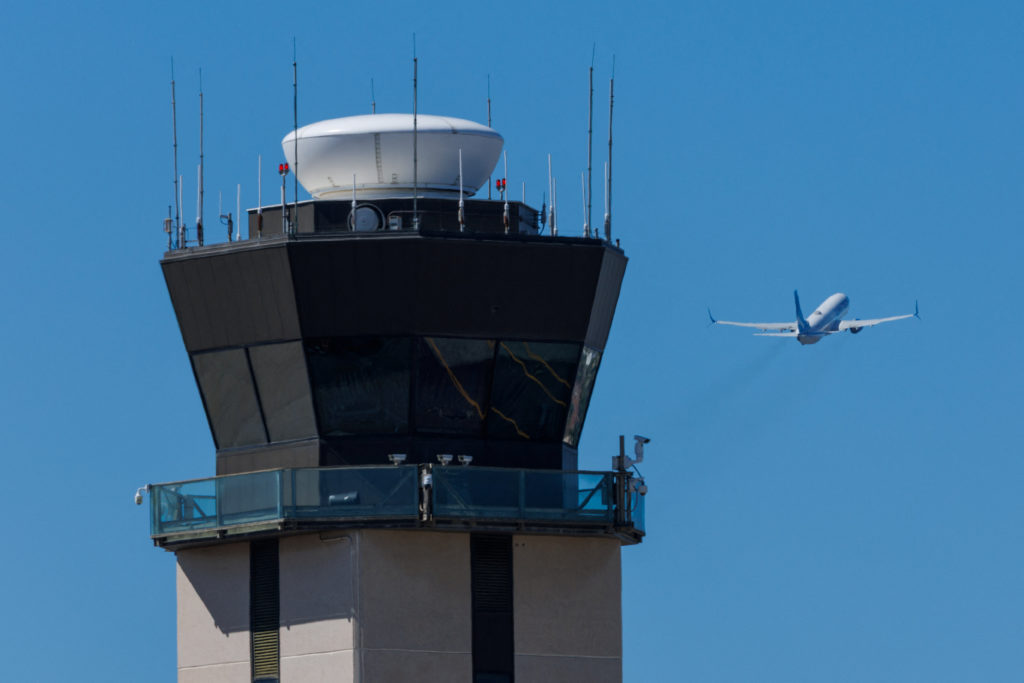
FAA Announces 10% Flight Cuts at 40 Major Airports Amid Government Shutdown
The Federal Aviation Administration (FAA) has implemented emergency measures to address critical staffing shortages, ordering a 10% reduction in flights at 40 major U.S. airports effective immediately. This unprecedented action comes as the government shutdown enters its fourth week, leaving over 13,000 air traffic controllers working without pay.
Key airports affected include:
- New York JFK
- Chicago O’Hare
- Los Angeles International
- Dallas/Fort Worth
- Hartsfield-Jackson Atlanta
The FAA’s internal memo reveals flight reductions prioritize:
| Priority Level | Flight Type | Reduction Percentage |
|---|---|---|
| 1 | International | 5% |
| 2 | Domestic | 12% |
| 3 | Regional | 15% |

The Human Toll: Air Traffic Controllers Working Without Pay
Air traffic controllers are entering their fourth week without paychecks, creating what the National Air Traffic Controllers Association calls “an unprecedented safety risk”. Controllers report:
- Average overtime hours up 42% since shutdown began
- Sick leave usage increasing by 18% weekly
- Training programs completely suspended

Historical data shows controller performance declines after 3 weeks without pay:
| Week Without Pay | Error Rate Increase | Response Time Slowdown |
|---|---|---|
| 1 | 7% | 5% |
| 2 | 15% | 12% |
| 3+ | 28% | 22% |
Traveler’s Guide: How to Navigate the Flight Reduction Chaos
With flight reductions creating unpredictable delays, travelers should adopt these strategies:
Booking Strategies
- Morning flights (before 9 AM) have 63% fewer cancellations
- Nonstop routes avoid connection risks
- Midweek travel (Tue-Thu) sees lighter traffic
Airport Alternatives
Consider these secondary airports with better on-time performance:
- Instead of JFK: Westchester County (HPN)
- Instead of O’Hare: Milwaukee (MKE)
- Instead of LAX: Ontario (ONT)
The Training Crisis: Why FAA Can’t Quickly Replace Controllers
The FAA’s chronic staffing shortage stems from a broken training pipeline that takes 2-4 years to produce one certified controller. Key bottlenecks include:
- FAA Academy capacity: 1,500 trainees/year
- 38% washout rate during training
- Specialized facility certifications required

Current staffing gaps by facility type:
| Facility Type | Staffing Shortage | Projected Fill Time |
|---|---|---|
| En Route Centers | 21% | 3.2 years |
| Towers | 17% | 2.8 years |
| TRACONs | 24% | 3.5 years |
The Private Jet Loophole: How Wealthy Travelers Avoid Delays
While commercial aviation struggles, private jet operators report record demand as wealthy travelers bypass FAA restrictions:
- Part 91 flights (private) face no reduction mandates
- Private terminals avoid TSA staffing issues
- Flexible routing avoids congested airspace
Private flight activity during shutdown:
| Week | Commercial Flights | Private Flights |
|---|---|---|
| 1 | -3% | +9% |
| 2 | -8% | +17% |
| 3 | -12% | +23% |
When Will This End? Projected Timelines and Solutions
Experts outline three potential resolution scenarios:
Best Case Scenario
- Shutdown ends within 2 weeks
- Back pay approved immediately
- Flight operations normalize in 3 weeks
Moderate Scenario
- Shutdown lasts 4-6 more weeks
- Essential workers receive partial pay
- Flight reductions remain through holidays
Worst Case Scenario
- Shutdown extends beyond 2 months
- Mass controller sickouts occur
- Nationwide ground stop implemented
Comments