
Coca-Cola is launching a new U.S. version sweetened with cane sugar this fall, following former President Trump’s public endorsement. The move shifts from the brand’s decades-long use of high-fructose corn syrup in American markets.
While Mexican Coke with cane sugar has been available at premium prices, this marks Coca-Cola’s first domestic reintroduction since the 1980s. Nutritionists debate whether the 5% fructose difference between cane sugar and corn syrup offers meaningful health benefits.
The Trump-approved formula will debut in major retailers with a 15-20% price hike, targeting consumers who perceive cane sugar as more natural despite nearly identical metabolic effects.
- Coca-Cola announces U.S. launch of a cane sugar-sweetened version this fall, diverging from its traditional high-fructose corn syrup formula after Donald Trump’s public endorsement.
- Despite perceptions, nutritional differences are minimal: cane sugar is 50% glucose/50% fructose, while HFCS is 55% fructose/45% glucose.
- The new product will debut in major retailers like Walmart and Costco, priced 15-20% higher due to U.S. sugar tariffs and production costs.
- Distribution may mirror Mexican Coke (available in glass bottles), though initial U.S. releases will likely use plastic packaging.
- Trump’s push aligns with domestic sugar industry support and trade policies, though experts emphasize portion control matters more than sugar type for health impacts.
Trump’s Cane Sugar Coca-Cola: Healthier Than Corn Syrup? US Release Details & Where to Buy
The Big Switch: Coca-Cola Returns to Cane Sugar After 45 Years
Coca-Cola is making a historic formulation change in its U.S. products, replacing high-fructose corn syrup (HFCS) with cane sugar in a new line set to launch this fall. This marks the first time since 1980 that the company will offer a widely available cane sugar-sweetened version in the American market. The decision comes after former President Donald Trump publicly advocated for “REAL Cane Sugar” Coca-Cola through his social media platforms.
Nutritionally, the difference between the two sweeteners is subtle but significant. Cane sugar consists of 50% glucose and 50% fructose (sucrose), while HFCS typically contains 55% fructose and 45% glucose. Though metabolized similarly, the psychological impact of “natural” cane sugar may influence consumer behavior more than actual health benefits.
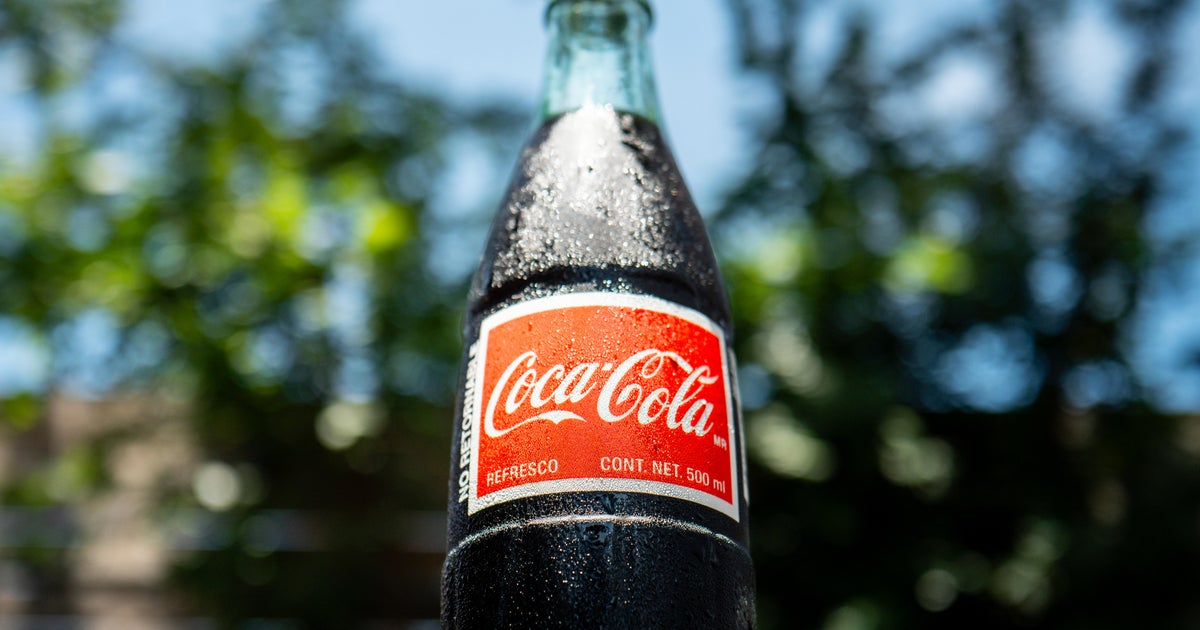

Trump’s Influence on Coca-Cola’s Sweetener Policy
The former president’s vocal support for cane sugar Coca-Cola aligns with his longstanding economic policies and personal preferences. During his presidency, Trump was known to consume up to 12 Diet Cokes daily, with a dedicated button installed in the Oval Office to summon the beverage.
| Political Factor | Impact on Coca-Cola |
|---|---|
| US Sugar Tariffs | Makes domestic cane sugar production more viable |
| America First Policy | Supports US sugar farmers over corn syrup producers |
| Trade Negotiations | Aligns with renegotiated NAFTA provisions |
Health Implications: Is Cane Sugar Really Better?
While nutritionists debate the minimal metabolic differences between the sweeteners, several health considerations emerge:
- Glycemic Impact: Nearly identical blood sugar spikes from both sweeteners
- Liver Processing: Both require liver metabolism, though HFCS may slightly favor fat storage
- Psychological Factors: “Natural” labeling may lead to more mindful consumption

Where and When to Buy the New Cane Sugar Coca-Cola
The product will roll out nationwide beginning September 2025, with anticipated availability at:
- Major Retailers: Walmart, Target, Costco
- Specialty Stores: Whole Foods, Trader Joe’s
- Online: Amazon and Coca-Cola’s official store
Pricing Expectations
Due to U.S. sugar tariffs and production costs, the cane sugar version will likely cost 15-20% more than regular Coke. Expect to pay around $2.50-$3.00 for a 20-ounce bottle compared to $2.00 for the HFCS version.
Mexican Coke vs US Cane Sugar Coke: Key Differences
While both use cane sugar, notable distinctions include:
- Sweetener Source: Mexican version uses primarily Mexican sugar vs US domestic cane
- Carbonation: Imported bottles often lose fizz during transit
- Packaging: Mexican Coke comes in glass; US version will use plastic initially
- Taste Profile: Subtle mineral variations from different water sources

Packaging Changes Over Time
Coca-Cola’s container evolution reflects changing consumer preferences:
- Historic glass bottles (1886-1950s)
- Steel cans (1960s)
- Plastic bottles (1980s-present)
- Possible glass return for premium cane sugar line
Industry Impact: Will Competitors Follow Suit?
Coca-Cola’s move may trigger a broader industry shift:
| Brand | Likely Response | Timeline |
|---|---|---|
| Pepsi | Matching product | 6-12 months |
| Dr Pepper | Limited edition release | Holiday 2025 |
| Store Brands | Unlikely to change | N/A |
The Surprising History Behind Coca-Cola’s Sweeteners
Coca-Cola’s sweetener timeline reveals fascinating corporate strategy:
- 1886-1980: Pure cane sugar formulation
- 1980s: Switch to HFCS during sugar shortages
- 2000s: Mexican Coke imports satisfy nostalgia market
- 2025: Domestic cane sugar reintroduction
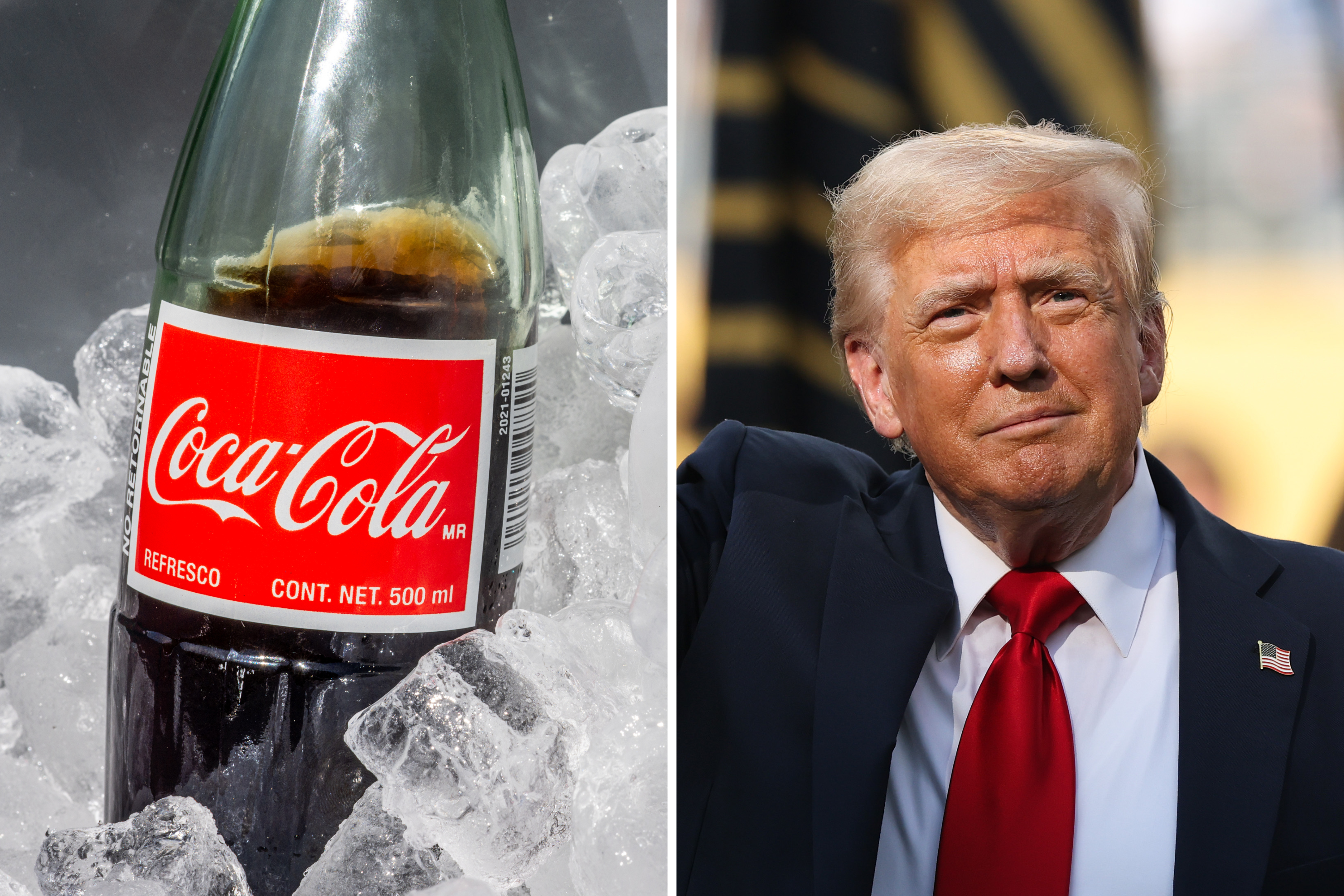
Consumer Psychology: Why We Pay More for “Natural” Sugar
The cane sugar premium reveals interesting behavioral economics:
- Health Halo Effect: Perceived as healthier despite minimal difference
- Nostalgia Marketing: Appeals to childhood memories of “real” Coke
- Status Symbol: Premium pricing creates exclusivity
- Ingredient Consciousness: Part of broader clean-label movement
Final Verdict: Should You Switch to Cane Sugar Coke?
After examining all factors, here’s the straightforward analysis:
- For taste: Worth trying if you prefer slightly less sweet profile
- For health: Marginal theoretical benefits at best
- For ethics: Supports different agricultural sectors
- For budget: Significant premium for debatable advantages
Comments