
Starlink users worldwide faced another major outage on July 24, 2025, with thousands reporting sudden internet disconnections. The disruption marks the second significant service failure in weeks, raising concerns about the satellite network’s reliability amid increasing solar activity.
Experts attribute the outages to a combination of technical issues and environmental factors, including heightened solar flares causing premature satellite re-entries. With over 500 Starlink satellites reportedly lost this year alone, users are questioning whether SpaceX’s rapid expansion has outpaced system stability.
The company’s communication during outages remains a pain point, as frustrated customers demand better transparency about service interruptions that can last for hours.
- Starlink experienced a major global outage on July 24, 2025, disrupting thousands of users amid rising concerns over satellite reliability and solar activity impacts.
- Over 500 Starlink satellites have prematurely re-entered Earth’s atmosphere in 2025 due to increased solar flares, with a 58.6% failure rate through July.
- The outage lasted approximately 12 hours, with partial restoration beginning after 10 hours, while SpaceX launched 50 replacement satellites in mid-July.
- Starlink’s outage frequency (2.3 monthly) surpasses fiber (0.7) but remains lower than 5G home internet (3.1), though durations are shorter than terrestrial alternatives.
- No automatic compensation exists for residential outage losses, though business users may claim credits under SLAs by submitting support tickets.
Starlink Outages Explained: Causes, Satellite Crashes, and How to Fix Your Internet Connection

Is Starlink Down Right Now? Global Outage Reports and Status Checks
On July 24, 2025, Starlink experienced its second major outage within weeks, affecting thousands of users across North America and Europe. Downdetector showed unusual spikes in outage reports, with the most severe disruptions occurring between 1:15 AM and 3:30 AM EST. Residential and business customers alike reported complete loss of connectivity during this period.
To verify if your Starlink connection is affected:
- Check the Starlink app for error notifications
- Observe your dish’s LED light (white = normal, red = error)
- Visit Downdetector’s Starlink outage map
- Test connectivity with mobile data as backup

The Real Causes Behind Starlink’s Frequent Outages
Solar Activity Disrupting Satellite Operations
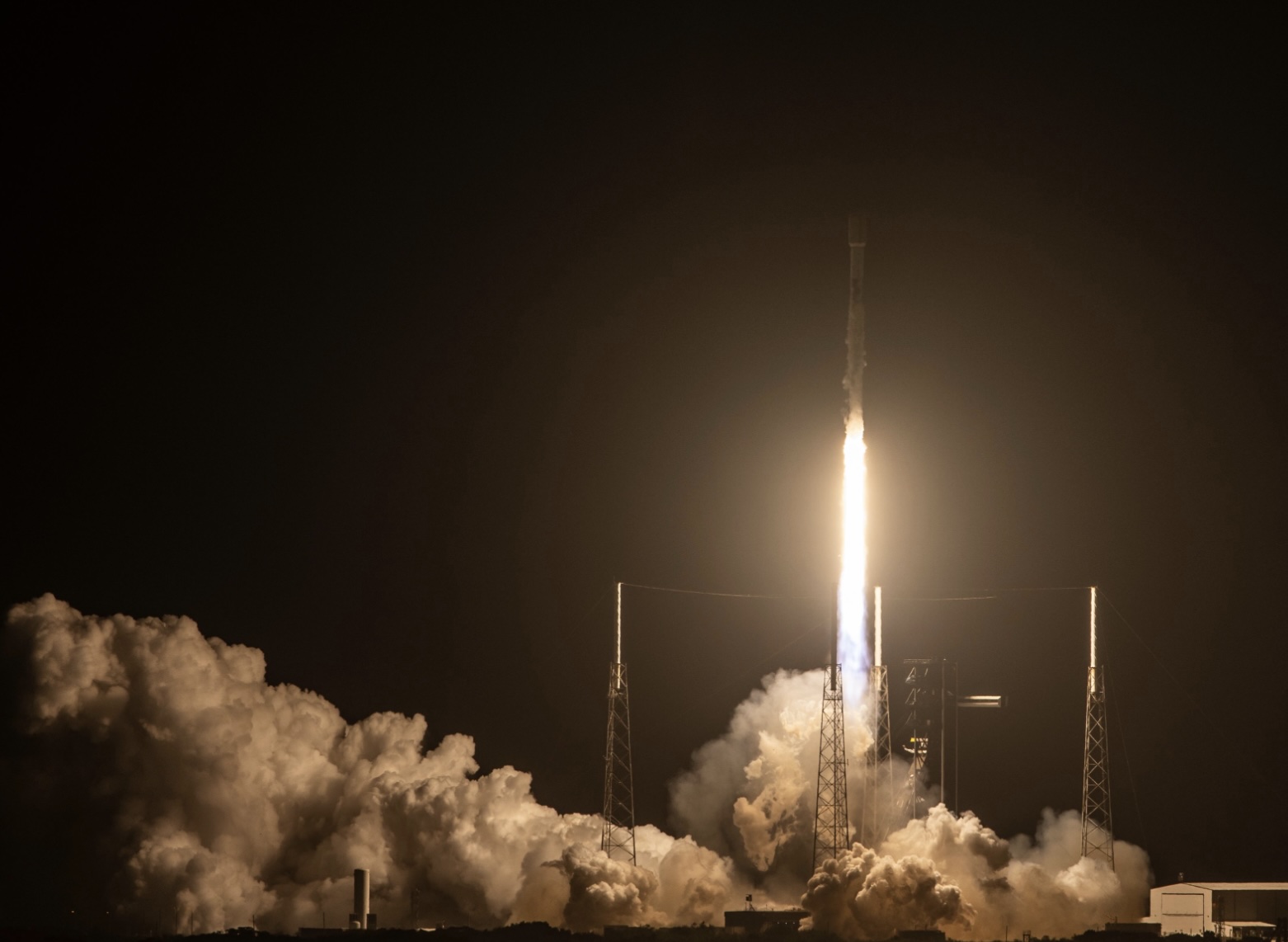
The current solar maximum period has proven particularly hazardous for Starlink’s low-Earth orbit satellites. Increased atmospheric drag from solar flares has caused premature orbital decay, with over 500 satellites lost in 2025 alone – a 58.6% failure rate among recently launched units.
Network Congestion From Rapid Expansion
With 6 million active subscribers and growing, Starlink’s network struggles to balance capacity demands. While SpaceX launches approximately 60 new satellites weekly, customer acquisition continues to outpace infrastructure growth in high-demand regions.
Starlink Satellite Crashes: By the Numbers
Recent data reveals alarming trends in Starlink satellite longevity:
| Year | Satellites Launched | Satellites Lost | Failure Rate |
|---|---|---|---|
| 2024 | 1,264 | 187 | 14.8% |
| 2025 (Jan-July) | 892 | 523 | 58.6% |

Starlink Outage Resolution Timeline and Repair Process
During the July 24 outage, SpaceX followed this restoration sequence:
- 1:15 AM EST: First user reports emerge
- 3:30 AM EST: Peak outage with 8,000+ incidents
- 11:00 AM EST: Official acknowledgement via Twitter
- 1:00 PM EST: Western US begins recovery
SpaceX typically prioritizes outages by:
- Rerouting traffic through unaffected satellites
- Adjusting orbital planes for better coverage
- Activating reserve bandwidth
Comparing Starlink’s Reliability to Other Internet Options
Objective outage metrics reveal surprising realities:
| Technology | Monthly Outages | Average Duration | Main Causes |
|---|---|---|---|
| Starlink | 2.3 | 47 minutes | Space weather, network upgrades |
| Fiber | 0.7 | 86 minutes | Physical cable damage |
| 5G Home | 3.1 | 32 minutes | Capacity constraints |
Practical Solutions for Starlink Users During Outages
Immediate Workarounds
- Mobile hotspot: Most smartphones canprovide temporary connectivity
- Public Wi-Fi: Libraries/cafes often offer free access
- Neighbor sharing: Coordinate with nearby Starlink users
Long-term Backup Strategies
- Dual ISP setup: Combine Starlink with cellular home internet
- SD-WAN solutions: Automatically failover between connections
- Local wireless ISPs: Often overlooked rural options
Comments