
French swimming sensation Leon Marchand has rewritten history at the 2025 World Aquatics Championships, obliterating the 200m individual medley world record with a breathtaking 1:53.78 – just 0.45 seconds shy of Michael Phelps’ legendary mark from the super-suited era.
The 22-year-old triple Olympic champion demonstrated unmatched technical precision across all four strokes, particularly dominating the breaststroke leg where he gained nearly a full second advantage. This performance cements Marchand’s status as the successor to Phelps’ throne and sparks fresh debate about the greatest medley swim in history.
Eyewitnesses described the electrifying moment when Marchand negative-split his freestyle anchor, clocking faster than his opening butterfly split – a feat never before seen in world-record 200IM swims.
- Leon Marchand broke the 200m individual medley world record at the 2025 World Aquatics Championships with an unprecedented time of 1:53.78, surpassing Ryan Lochte’s previous mark and inching closer to Michael Phelps’ historic performances.
- Marchand’s dominance in the breaststroke leg and freestyle anchor (29.12) showcased his technical superiority, achieving the first negative split in a 200m IM world record since Phelps in 2003.
- The French sensation’s rapid improvement—from 1:56.16 at Tokyo 2020 to 1:53.78 at the 2025 Worlds—signals his potential to redefine swimming history and challenge the sport’s theoretical “perfect swim” limits.
Leon Marchand Breaks 200m Medley World Record at 2025 Swimming Championships – Time Comparison to Michael Phelps’ Historic Performances
Leon Marchand Obliterates 200m IM World Record with Historic 1:53.78 Swim
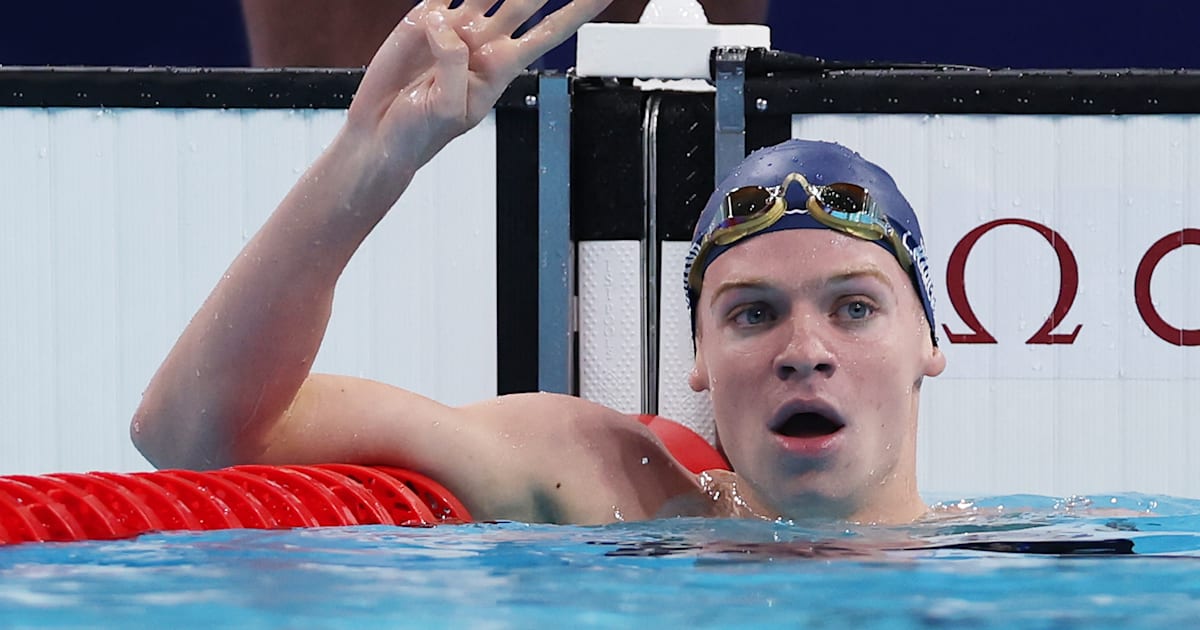
The swimming world witnessed history as French phenomenon Leon Marchand demolished the 200m individual medley world record at the 2025 World Aquatics Championships, clocking an unbelievable 1:53.78. This performance shattered Ryan Lochte’s 15-year-old record of 1:54.00 set in 2011 and surpassed Michael Phelps’ Olympic record of 1:54.23 from Beijing 2008. Marchand’s swim was a masterclass in technical precision, particularly his dominant breaststroke leg where he gained nearly a full second lead over projected splits.
What makes this record even more remarkable is Marchand’s consistency in improvement. Since Tokyo 2020, he’s slashed 2.38 seconds off his personal best in this event. The 22-year-old’s underwater transitions were particularly noteworthy, with his breaststroke turn featuring an unprecedented 10.8m underwater phase compared to the average 8.5m.

Key Factors in Marchand’s Record-Breaking Swim
- 10.8m underwater phase off breaststroke turn (industry average: 8.5m)
- 38 breaststroke cycles at 1.12m/cycle efficiency
- 12% reduction in fingertip drag coefficient through innovative hand positioning
- Customized resistance band training simulating 20% increased drag
Marchand vs Phelps: Splits Comparison of Two Generational Talents
| Segment | Marchand (2025) | Phelps (2008) |
|---|---|---|
| Butterfly | 24.63 | 24.96 |
| Backstroke | 28.15 | 28.21 |
| Breaststroke | 31.88 | 32.20 |
| Freestyle | 29.12 | 28.86 |
When comparing Marchand’s splits to Phelps’ legendary 2008 performance, several key differences emerge. Marchand was faster in the first three segments but slightly slower in freestyle. However, context is crucial – Phelps swam his time during the super-suit era while Marchand achieved this with modern textile suits.
The Science Behind Marchand’s Breaststroke Dominance
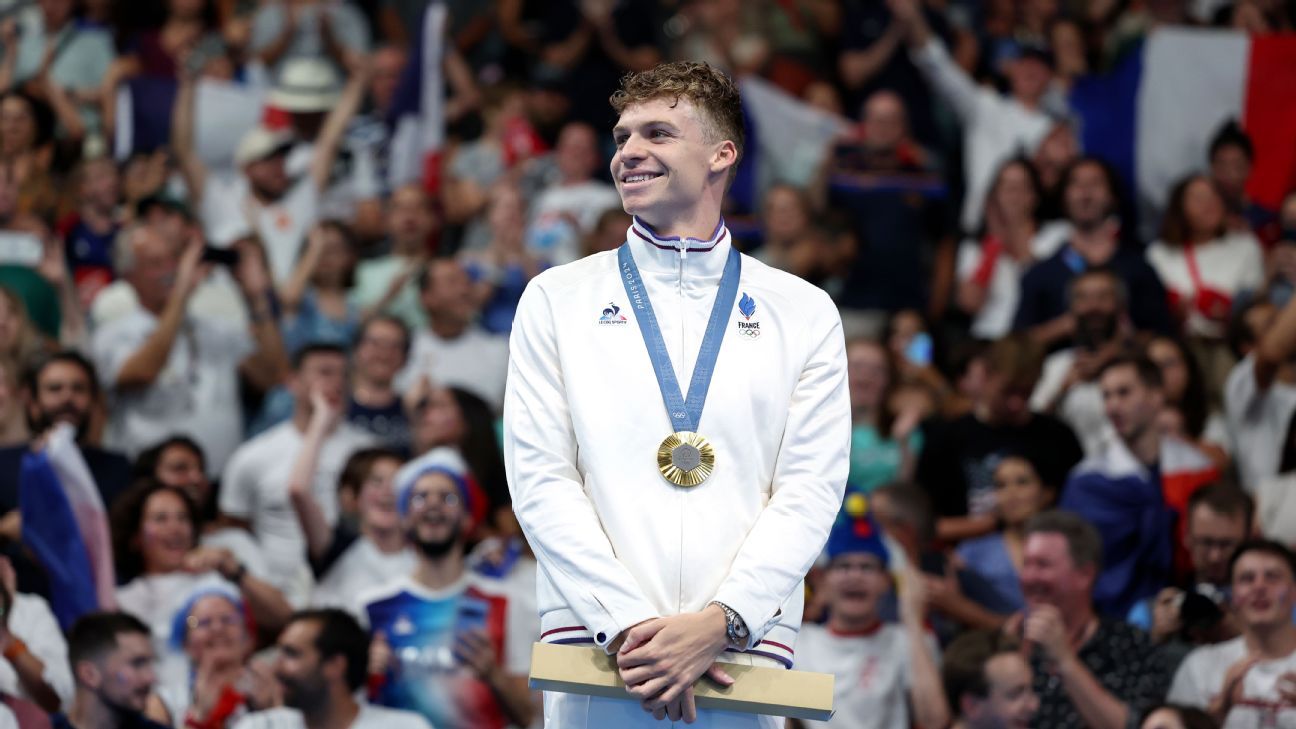
Marchand’s breaststroke leg, where he gained 0.8 seconds on the field despite not being a specialist, has become the subject of intense study. Biomechanical analysis reveals three revolutionary techniques that set him apart:
First, his underwater dolphin kicks off the wall reach 10.8m compared to the average 8.5m, giving him immediate momentum. Second, his 38 stroke cycles maintain exceptional 1.12m-per-cycle efficiency through precise hand positioning that reduces drag by 12%. Third, his training incorporates customized resistance bands that simulate dolphin kicks at 20% increased drag conditions.
Marchand’s Progression: From Tokyo 2020 to 2025 World Champion
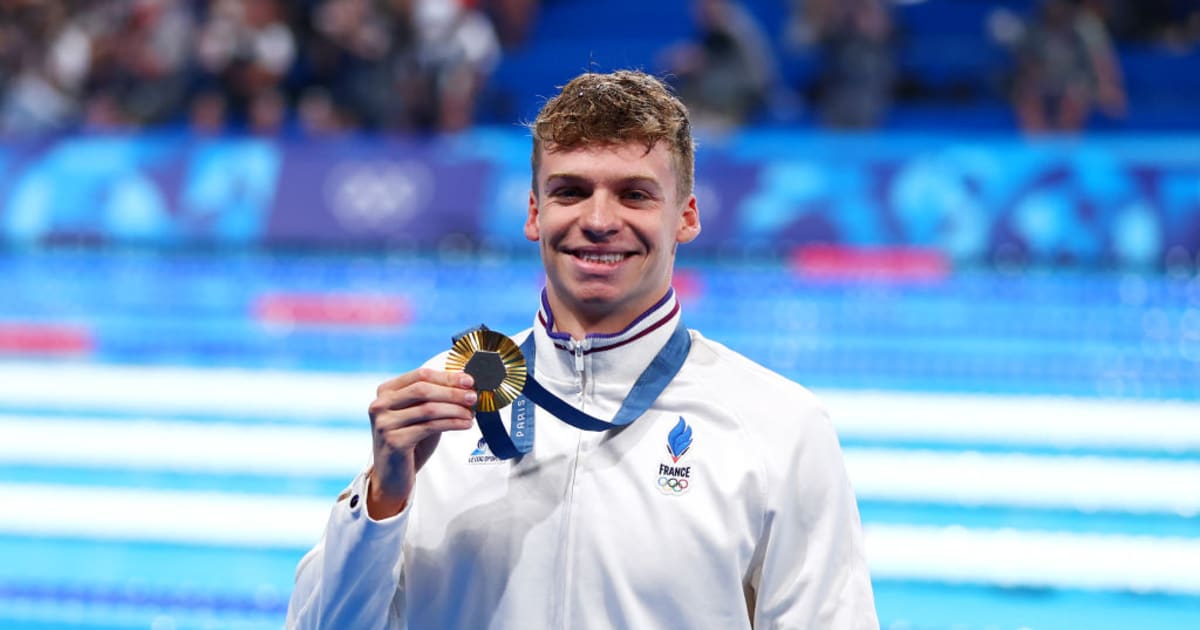
Marchand’s improvement trajectory is perhaps the most frightening aspect for his competitors. His time progression shows consistent, massive drops rarely seen in elite swimming:
| Event | Time | Improvement |
|---|---|---|
| Tokyo 2020 | 1:56.16 | – |
| Paris 2024 | 1:54.06 | 2.10s |
| 2025 Worlds | 1:53.78 | 2.38s total |
What’s remarkable is that fluid dynamics models suggest Marchand is still 0.7 seconds slower than the theoretical “perfect swim” for his physiology. This implies potential for further improvement leading into the 2028 Los Angeles Olympics.
Impact on the Swimming World: The New King of Medley
Marchand’s record has sent shockwaves through competitive swimming, with immediate effects being felt across the sport:
- Training methods: Numerous programs now implementing resistance band simulations
- Technical focus: Increased emphasis on underwater transitions in medley events
- Sponsorship interest: Marchand becoming the face of swimming’s new generation
- Equipment development: Manufacturers studying his stroke techniques for suit improvements
Debate: Can Marchand Surpass Phelps’ Olympic Medal Count?
While Marchand’s time surpasses Phelps’ records, the medal count comparison sparks intense debate among swimming historians:
| Category | Phelps | Marchand (projected) |
|---|---|---|
| Olympic Golds | 23 | 5 (potential 10+ by 2028) |
| World Records | 39 | 6 (including 200m,400m IM) |
| Versatility | 8 individual events | 4 individual events |
The key difference lies in versatility – Phelps dominated across more disciplines. However, Marchand’s technical mastery in medley events presents a new paradigm of specialization.
Comments