
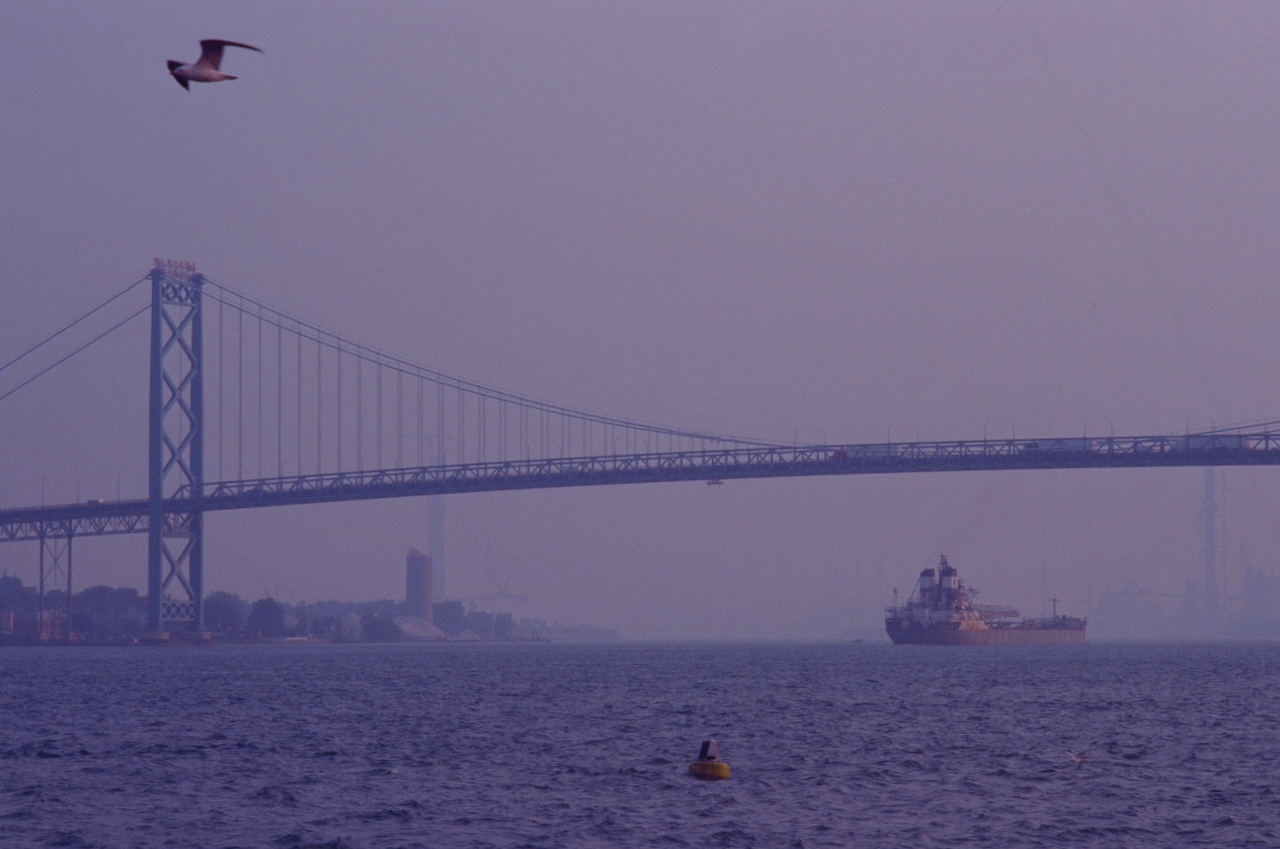
Toxic smoke from relentless wildfires in Canada is creating dangerous air quality conditions across Minnesota and Michigan. Health officials warn exposure to current PM2.5 levels equals smoking half a pack of cigarettes daily.
Regional hospitals report surging respiratory cases as the haze blankets cities, reducing visibility and triggering widespread health advisories. Experts urge immediate protective measures, especially for vulnerable populations facing unprecedented pollution levels this summer.
- Canadian wildfire smoke has pushed air quality to “very unhealthy” levels in Minnesota and Michigan, with particulate levels exceeding 150 AQI, comparable to smoking half a pack of cigarettes daily.
- Health experts recommend staying indoors, using HEPA air purifiers, and wearing N95 masks outdoors, as ER visits for respiratory issues have surged 30% in affected areas.
- The crisis is expected to continue through summer due to persistent Canadian fires and wind patterns, with Northern Minnesota and Michigan’s Upper Peninsula being hardest hit.
Canadian Wildfires Create Air Quality Crisis in Minnesota and Michigan
The relentless wildfires raging across Canada have created a severe air quality crisis in Minnesota and Michigan, with toxic smoke blanketing the region. Health officials report that air quality indexes (AQI) in these areas have consistently surpassed 150, reaching “very unhealthy” levels that pose risks to all residents, not just sensitive groups.

The smoke contains dangerous levels of PM2.5 particles small enough to enter the bloodstream, along with carbon monoxide and volatile organic compounds. Medical experts warn that prolonged exposure to this polluted air is equivalent to smoking half a pack of cigarettes daily. Emergency rooms have reported a 30% surge in respiratory-related cases during peak smoke events.

Most Affected Regions
- Northern Minnesota including Duluth
- Michigan’s Upper Peninsula
- Western Wisconsin border areas
- Northern Lower Michigan
Health Impacts: Comparing Wildfire Smoke to Cigarette Exposure
Recent studies reveal shocking parallels between wildfire smoke inhalation and cigarette smoking. Breathing air with an AQI of 150 for 24 hours exposes lungs to particulate matter equivalent to 7-8 cigarettes. For residents enduring weeks of poor air quality, the cumulative effect resembles smoking multiple packs.
| Pollutant | Wildfire Smoke | Cigarette Smoke |
|---|---|---|
| PM2.5 | Extremely High | High |
| Carbon Monoxide | Moderate-High | High |
| Benzene | Present | Present |
Protective Measures for Residents
Health authorities recommend multiple strategies to minimize health risks:
- Stay indoors with windows and doors closed
- Use HEPA air purifiers with activated carbon filters
- When outdoors, wear N95 or KN95 masks
- Create clean air rooms in homes
- Monitor for symptoms like chest pain or breathing difficulty
Air Purifier Recommendations
The most effective units for wildfire smoke contain:
- True HEPA filtration (captures 99.97% of particles)
- Activated carbon layer for gases/odors
- Appropriate room size coverage
- High Clean Air Delivery Rate (CADR) for smoke

Long-Term Health Consequences of Smoke Exposure
Beyond immediate effects, researchers warn about potential long-term damage from repeated wildfire smoke exposure:
- Increased asthma development in children
- Accelerated lung function decline
- Higher cardiovascular disease risk
- Possible links to cognitive issues
A 2025 longitudinal study found measurable respiratory function changes after just three significant smoke exposures. Elderly participants showed particular vulnerability to lasting effects.
When Will the Smoke Crisis End?
Meteorologists predict continued air quality issues throughout summer due to:
- Persistent dry conditions in Canadian forests
- High pressure systems directing smoke southward
- Large, uncontrollable fire complexes
- Climate trends extending fire seasons

The forecast suggests intermittent relief when winds shift, but no definitive end until autumn rains arrive in Canada. Residents should prepare for recurring air quality alerts and prolonged periods of hazardous conditions.
Comments