
The iPhone 17 is poised to redefine Apple’s smartphone lineup with its September launch, sparking debates among tech enthusiasts. Should you upgrade from your iPhone 16, wait for future models, or simply repair your current device? This guide breaks down the key differences to help you decide.
While the iPhone 17 boasts a faster A19 Pro chip and brighter display, the upgrades may not justify the $100-$150 price hike for most users. With trade-in deals and potential AI-exclusive features, your decision hinges on both performance needs and budget considerations.
From durability tests to color options, we compare every aspect to ensure you make an informed choice before Apple’s “Awe Dropping” event reveals all.
- The iPhone 17 launches on September 9, 2025, featuring the A19 Pro chip with 20% faster performance than the iPhone 16’s A18 Pro.
- Key upgrades include a brighter 2000-nit Super Retina XDR screen, improved computational photography, and faster 30W wired charging.
- New Apple Intelligence features may be exclusive to iPhone 17 models, potentially justifying its $100-$150 price premium over the iPhone 16.
- Durability tests show the iPhone 16 retains 92% battery capacity after 500 cycles, with improved repairability for longer lifespan.
- Carrier trade-in deals could offer $600-$800 for iPhone 16 toward an iPhone 17 upgrade, making the transition more affordable.
iPhone 17 vs iPhone 16: Key Differences, Upgrade Decision Guide & Price Comparison
iPhone 17 Release Date and What to Expect
Apple’s iPhone 17 is scheduled for launch on September 9, 2026, continuing the company’s tradition of September announcements. The “Awe Dropping” event will likely showcase seven new products, with the iPhone 17 Pro and next-generation AirPods being the main attractions.
Historical patterns suggest preorders will begin within a week of announcement, with shipments starting about 10 days later. Supply chain reports indicate production is on track, though Pro models often ship later than standard versions.
The September launch cycle has become Apple’s signature timing, perfectly aligning with back-to-school and holiday shopping seasons. This strategic scheduling maximizes sales potential while maintaining consumer anticipation.

Key anticipated features include:
- A19 Pro chip with 20% faster performance
- 2000-nit Super Retina XDR display
- Improved thermal management system
- Enhanced computational photography

Spec Comparison: iPhone 17 vs iPhone 16
The iPhone 17 introduces several technical improvements over its predecessor. The A19 Pro chip represents Apple’s most significant performance leap in years, promising 20% faster processing speeds compared to the iPhone 16’s A18 Pro.
Display technology sees noticeable upgrades with a brighter 2000-nit Super Retina XDR screen (versus 1800-nit on iPhone 16) and potentially smoother ProMotion refresh rates. Both models maintain similar battery life ratings at about 25 hours for video playback.
| Feature | iPhone 17 | iPhone 16 |
|---|---|---|
| Chipset | A19 Pro | A18 Pro |
| Peak Brightness | 2000 nits | 1800 nits |
| Wired Charging | 30W | 27W |
Camera systems appear similar on paper, with both featuring 4K 120fps Dolby Vision recording. However, the iPhone 17’s improved computational photography algorithms and new sensor-shift stabilization promise better low-light performance and image consistency.
Price Analysis: Is the iPhone 17 Worth the Premium?
Early pricing leaks suggest the iPhone 17 will launch at $100-$150 more than equivalent iPhone 16 models. The base iPhone 17 is expected to start at $899, while Pro models could reach $1,099. The 1TB iPhone 17 Pro Max might break the $1,599 barrier.
Current iPhone 16 pricing offers better value:
- iPhone 16: $799
- iPhone 16 Pro: $999
- iPhone 16 Pro Max: $1,099
The 12-15% price increase for iPhone 17 seems steep considering the modest spec bumps, making discounted iPhone 16 models attractive alternatives once the new lineup launches.
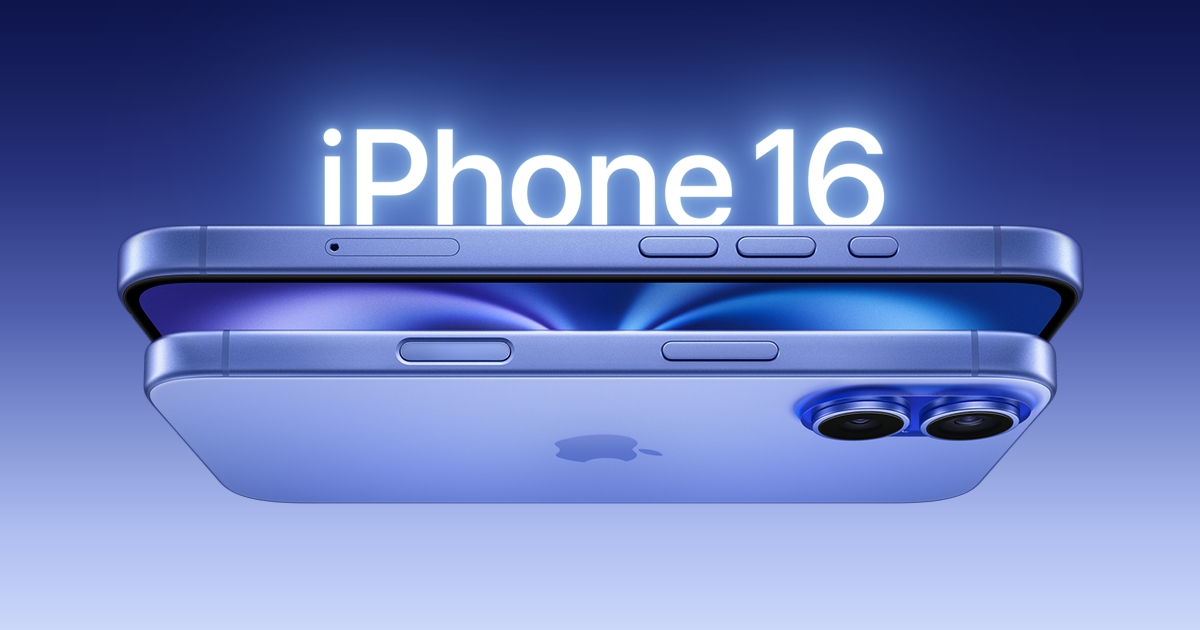
Should You Upgrade? Decision Factors
For iPhone 16 Owners
Current iPhone 16 users face the toughest decision. The upgrades offered by iPhone 17 – while impressive on paper – may not justify the cost for most users. Exceptions include:
- Power users needing maximum performance
- Photography enthusiasts wanting cutting-edge camera tech
- Those experiencing iPhone 16’s thermal issues
For Older iPhone Models
Users with iPhone 14 or earlier models will notice substantial improvements:
- Better battery life and charging speeds
- Significant camera upgrades
- 5G connectivity improvements
- Longer software support
Environmental considerations are increasingly important, with repair programs offering cost-effective alternatives to upgrading. Battery replacements can extend device lifespan by 2-3 years.
Trade-In Values and Upgrade Strategies
Trade-in programs offer the most financially sound upgrade path. Based on historical patterns, expected trade values toward iPhone 17:
| Current Model | Estimated Trade Value |
|---|---|
| iPhone 16 Pro | $700-$850 |
| iPhone 15 Pro | $500-$600 |
| iPhone 14 Pro | $350-$500 |
Carrier deals often provide better value than Apple’s trade-in program, typically offering:
- Higher trade allowances
- Bill credits spread over 24-36 months
- Bonus data or service perks
Design and Color Options Comparison
While maintaining similar form factors, iPhone 17 introduces subtle design refinements:
- Thinner bezels on Pro models
- Enhanced titanium coatings for scratch resistance
- Revised camera bump configuration
New color options rumored for iPhone 17:
- Sunset Gold (Pro models)
- Deep Purple
- Coral (replacing Product(RED))
iPhone 16’s color palette includes:
- Ultramarine
- Desert Titanium
- Natural Titanium
Color selection has become increasingly important as smartphones remain our most used personal devices. The rumored Sunset Gold finish might become iPhone 17’s most distinguishing feature.
Comments