
The Trump administration has escalated the ongoing government shutdown by shifting from temporary furloughs to permanent federal layoffs, affecting over 300,000 workers as agencies target “non-priority” programs. This unprecedented move breaks with decades of shutdown protocols, where employees typically returned with backpay after funding resumed.
With Congress deadlocked and critical services destabilizing, Americans face immediate impacts from delayed tax refunds to unemployment processing bottlenecks. Political analysts warn this 10-day standoff could surpass the 35-day 2018 shutdown record, as the White House prepares long-term workforce reductions through RIF plans.
- The Trump administration has escalated from temporary furloughs to permanent layoffs of federal employees, with over 300,000 workers already leaving federal service this year.
- This shutdown marks a departure from past protocols, as the Office of Management and Budget orders agencies to prepare reduction-in-force (RIF) plans for long-term workforce cuts.
- Unemployment benefits may face processing delays despite being federally funded, potentially causing financial strain for families relying on timely payments.
- Essential services like IRS tax refunds, Medicare/Medicaid processing, and airport security (TSA) are experiencing significant disruptions due to staffing shortages.
President Trump’s Government Shutdown Sparks Permanent Federal Layoffs: Economic Impact and What Americans Need to Know
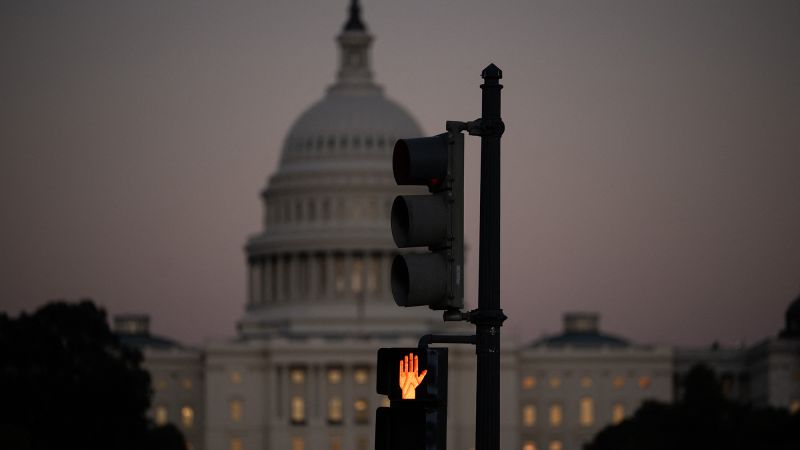
Unprecedented Mass Layoffs Replace Traditional Furloughs in Trump Shutdown
The Trump administration has escalated the government shutdown crisis by implementing permanent layoffs instead of temporary furloughs for federal employees. Over 300,000 workers have already exited federal service this year, with the White House specifically targeting programs deemed “non-aligned with presidential priorities.”
This approach breaks sharply from historical precedent where furloughed workers automatically returned to their positions after funding resolutions. The Office of Management and Budget has instructed agencies to prepare Reduction-in-Force (RIF) plans, suggesting potential long-term workforce shrinkage across multiple departments.
The political calculation appears clear: use budgetary crisis as leverage to reshape the federal workforce according to ideological preferences rather than operational needs. As the shutdown enters its tenth day, Congressional negotiations show no signs of progress, leaving thousands of families in financial limbo.

Which Federal Agencies Face the Most Severe Staffing Cuts?
The administration’s workforce reductions disproportionately impact agencies involved in regulatory oversight and social services:
- Environmental Protection Agency: 85% of inspections halted
- Department of Education: Student loan processing delays affecting 12 million borrowers
- Health and Human Services: Medicare appeals backlog grows by 8,000 cases daily
- Transportation Security Administration: Airport wait times exceeding 2 hours at major hubs

Economic Domino Effects Beyond Government
The shutdown’s ripple effects extend throughout the national economy:
| Sector | Estimated Daily Losses |
|---|---|
| Federal Contractor Payments | $30 million |
| Small Business Loans | $95 million |
| Consumer Spending Decline | $180 million |
Legal and Constitutional Questions Surrounding Permanent Layoffs
The administration’s workforce reduction strategy raises significant legal concerns under:
- The Civil Service Reform Act of 1978
- Due Process protections in the Fifth Amendment
- Anti-discrimination provisions in federal employment law
Legal experts argue the White House may be testing the boundaries of presidential authority during funding lapses. Multiple lawsuits have already been filed by federal employee unions alleging violations of statutory protections against politically-motivated terminations.
Practical Impacts on American Citizens Beyond Washington
The cascading effects of the shutdown reach into nearly every American community:
- Tax Processing: IRS anticipates 6-8 week delays for paper returns
- Food Safety: FDA has suspended routine facility inspections
- National Parks: Accumulating trash and damaged ecosystems reported
- Scientific Research: NIH clinical trials put on hold
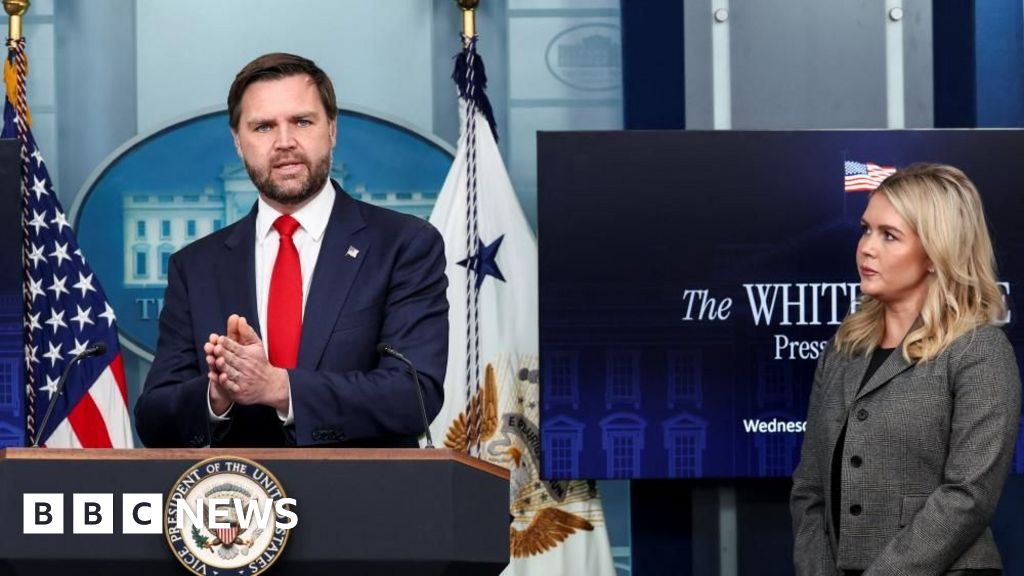
Historical Context: How This Shutdown Differs From Past Crises
Comparative analysis reveals alarming escalation tactics:
| Shutdown | Duration | Workforce Impact |
|---|---|---|
| 2013 (Obama) | 16 days | 850,000 furloughed |
| 2018-19 (Trump) | 35 days | 380,000 furloughed |
| Current | 10 days (ongoing) | 300,000+ permanently separated |
Political Calculations Behind the Strategy
Several factors explain the administration’s hardline approach:
- Opportunity to dismantle perceived “deep state” resistance
- Leverage for policy concessions from Congress
- Testing boundaries of executive authority
- Appealing to political base skeptical of government
Path Forward: Potential Resolutions and Long-Term Consequences
Possible scenarios as the crisis continues:
- Congressional Backpay Legislation: Could restore incomes but not positions
- Court Interventions: Judges may block terminations as unconstitutional
- State Emergency Funds: Some governors activating stopgap measures
- Private Sector Responses: Corporations offering bridge loans to affected workers
The lasting damage to federal institutional knowledge and morale may persist for years, regardless of how the current standoff concludes. This shutdown represents more than a budgetary dispute – it’s a watershed moment for American governance.
Comments