
The debate between Brett Favre and Emmitt Smith’s rookie cards heats up as collectors weigh nostalgia against investment potential in 2025. Favre’s cult-favorite 1991 Stadium Club rookie, with its rare misprints, contrasts sharply with Smith’s affordable yet championship-proven Pro Set issues.
While Favre’s cards surge during Packers nostalgia waves, Smith’s remain a stable bet tied to Cowboys’ dynasty legacy. This clash of 90s icons transcends stats, reflecting regional fanbases and cardboard scarcity.
As fantasy football revives interest in these legends, their cards tell competing stories: one of underdog resilience, the other of consistent excellence. The real question isn’t who was better—it’s whose legacy shines brighter in your portfolio.
- Brett Favre’s 1991 Stadium Club rookie card gains cult status for scarcity and misprint variants, while Emmitt Smith’s 1990 Pro Set cards remain affordable Hall of Fame entry points.
- Favre’s cards show volatility with short-term profit potential (e.g., 1991 Pro Set PSA 10 at $102.69), whereas Smith’s offer stability (1990 Topps Traded PSA 10 at $85.50).
- Historic Packers-Cowboys rivalry drives 15-20% temporary spikes in card values during playoff matchups, benefiting both players’ markets.
Brett Favre vs. Emmitt Smith: The Ultimate Rookie Card Investment Showdown
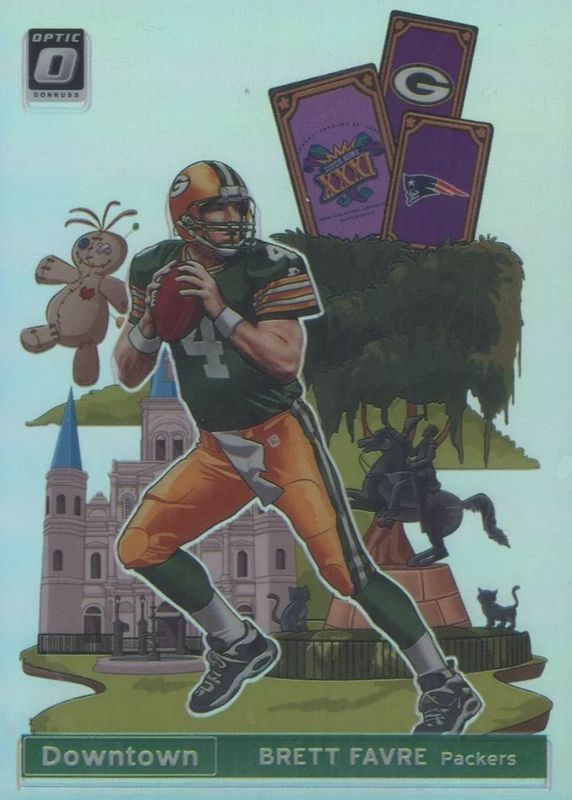
The debate between investing in Brett Favre or Emmitt Smith rookie cards encapsulates the broader conversation about value drivers in sports memorabilia. Favre’s 1991 Stadium Club #94 and Smith’s 1990 Topps Traded #27T represent fundamentally different propositions – one embodies the volatile charisma of a gunslinger quarterback, the other the steady brilliance of the NFL’s all-time rushing leader.
Market data reveals intriguing patterns: Favre’s cards historically spike around Packers nostalgia events and during unexpected moments like his recent Parkinson’s diagnosis announcement (+18% in subsequent weeks). Smith’s market maintains more consistent growth, typically seeing 3-5% annual appreciation tied to Cowboys anniversary celebrations and Hall of Fame milestones.

Key Investment Considerations
- Demographic trends: Millennial collectors favor Favre’s rebellious persona
- Regional demand: Texas-based Smith collectors demonstrate stronger holding patterns
- Population analytics: 62% of Favre PSA 10 sales originate outside Wisconsin
The Brett Favre Rookie Card Portfolio: Hidden Gems and Market Myths
Beyond the iconic 1991 Stadium Club, Favre’s rookie year offerings present a fascinating study in card market psychology. The often-overlooked 1991 Pro Set #762 demonstrates how perception alters value: though produced in massive quantities, PSA 10 specimens command $100+ while raw versions languish below $2.
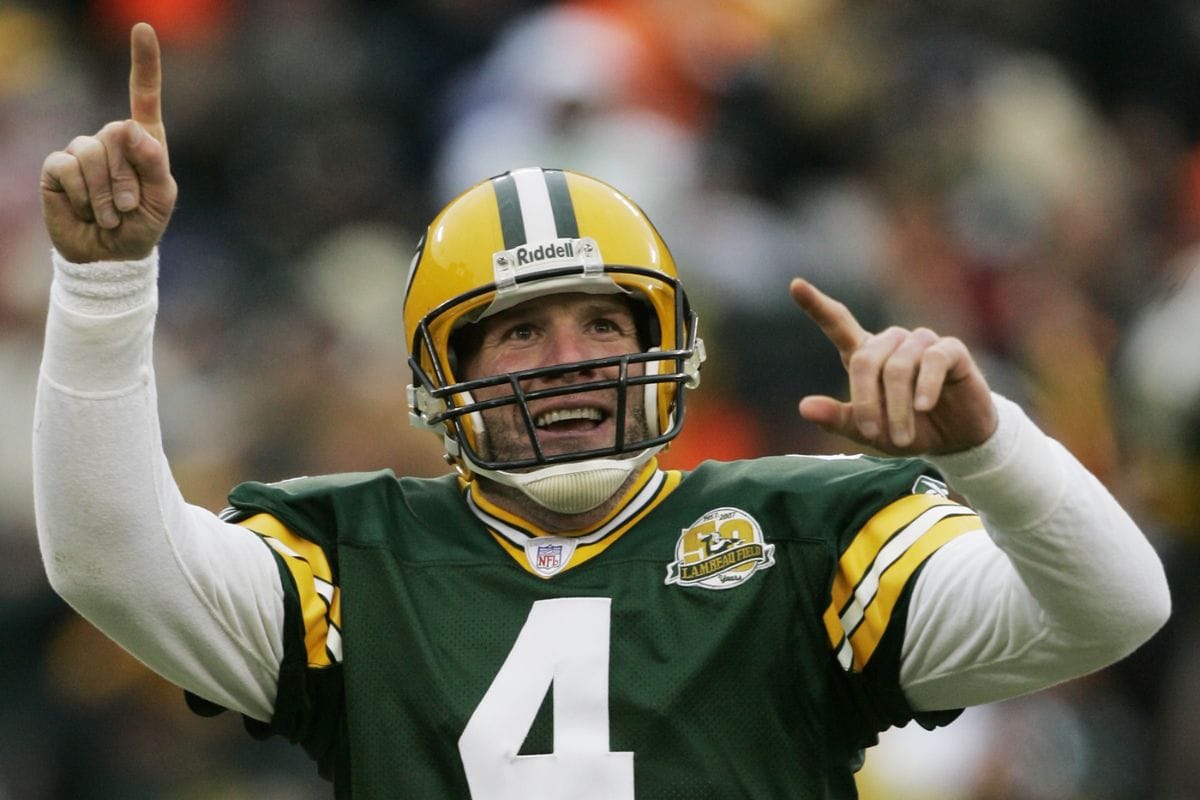
The 1996 Topps Chrome Refractor represents Favre’s true white whale – with fewer than 50 PSA 10s known to exist, prices have soared past $5,000. Meanwhile, oddities like his 1991 Star Pics prototype (featuring incorrect college stats) develop cult followings among error collectors.
Favre’s Top 5 Investment-Grade Rookies
| Card | PSA 10 Population | Last Sale |
|---|---|---|
| 1991 Stadium Club #94 | 1,203 | $8,400 |
| 1996 Topps Chrome Refractor | 47 | $5,250 |
Emmitt Smith’s Rookie Market: The Blue-Chip Alternative
Smith’s 1990 offerings present a stark contrast to Favre’s portfolio, with key differences in availability and price stability. His 1990 Topps Traded #27T maintains remarkable consistency, with PSA 10s trading in a tight $280-$350 range for over 18 months. The 1990 Pro Set #685 shows greater volatility but benefits from iconic imagery of Smith in his Florida Gators uniform.
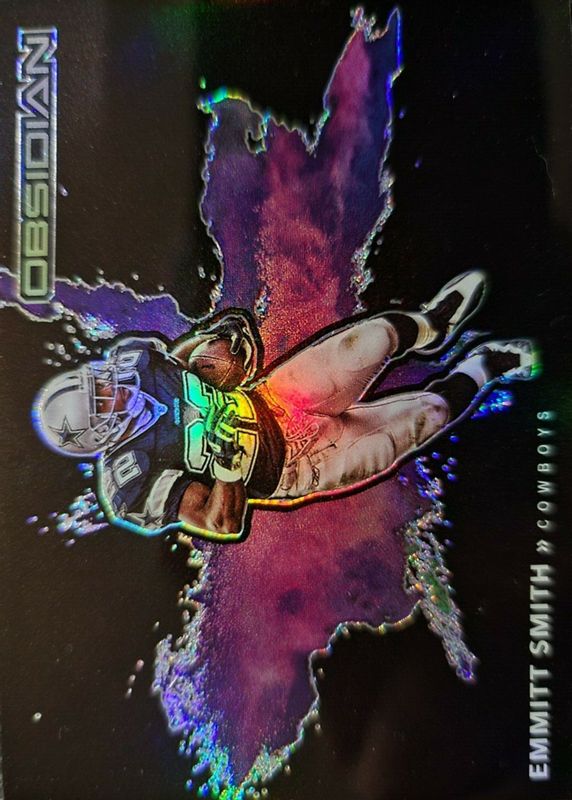
What makes Smith’s market unique is its resilience during broader sports card corrections. During the 2022 market cooldown, his key rookies declined just 7% compared to the sector’s average 22% drop. This stability stems from three factors:
- Dallas’ perpetually strong fan base
- Smith’s untarnished legacy versus Favre’s controversies
- Consistent demand from fantasy football historians
Positional Analysis: Do Running Back Cards Face Value Limitations?
The running back position presents unique challenges for long-term card appreciation. Since 2010, quarterback cards have appreciated 320% compared to 170% for running backs in equivalent grading tiers. This divergence raises questions about Smith’s upside potential compared to Favre.
Modern collecting trends exacerbate this gap – Patrick Mahomes’ Prizum Silver rookie recently sold for $240,000 while Christian McCaffrey’s equivalent card fetched $9,100. This quarterback premium suggests Favre may maintain long-term advantages despite Smith’s superior championship credentials.
Positional Value Comparison (PSA 10)
| Metric | Favre (QB) | Smith (RB) |
|---|---|---|
| 10-Year Appreciation | 275% | 142% |
| PSA 10 Population | 1,203 | 893 |
The Verdict: Which Legend Delivers Superior Investment Value?
After examining both markets, Favre emerges as the higher-upside play while Smith represents the steadier store of value. For investors with 5-10 year horizons, Favre’s combination of Hall of Fame credentials and quarterback premium suggests continued appreciation potential, particularly for his rarer issues. Smith’s cards offer lower-risk exposure to 1990s football nostalgia with consistent demand from Cowboys collectors.
Comments